
.png)


Awareness Is Just the Start: What Departments Can Actually Do During Men's Mental Health Month
Every June, social media fills up with blue ribbons, awareness posts, and hashtags about Men's Mental Health Month. Leadership sends out a well-meaning email. Someone puts up a flyer in the break room. And then, quietly, nothing changes. This matters even more in first responder departments, where many roles are still male-dominated and help-seeking can feel culturally risky.
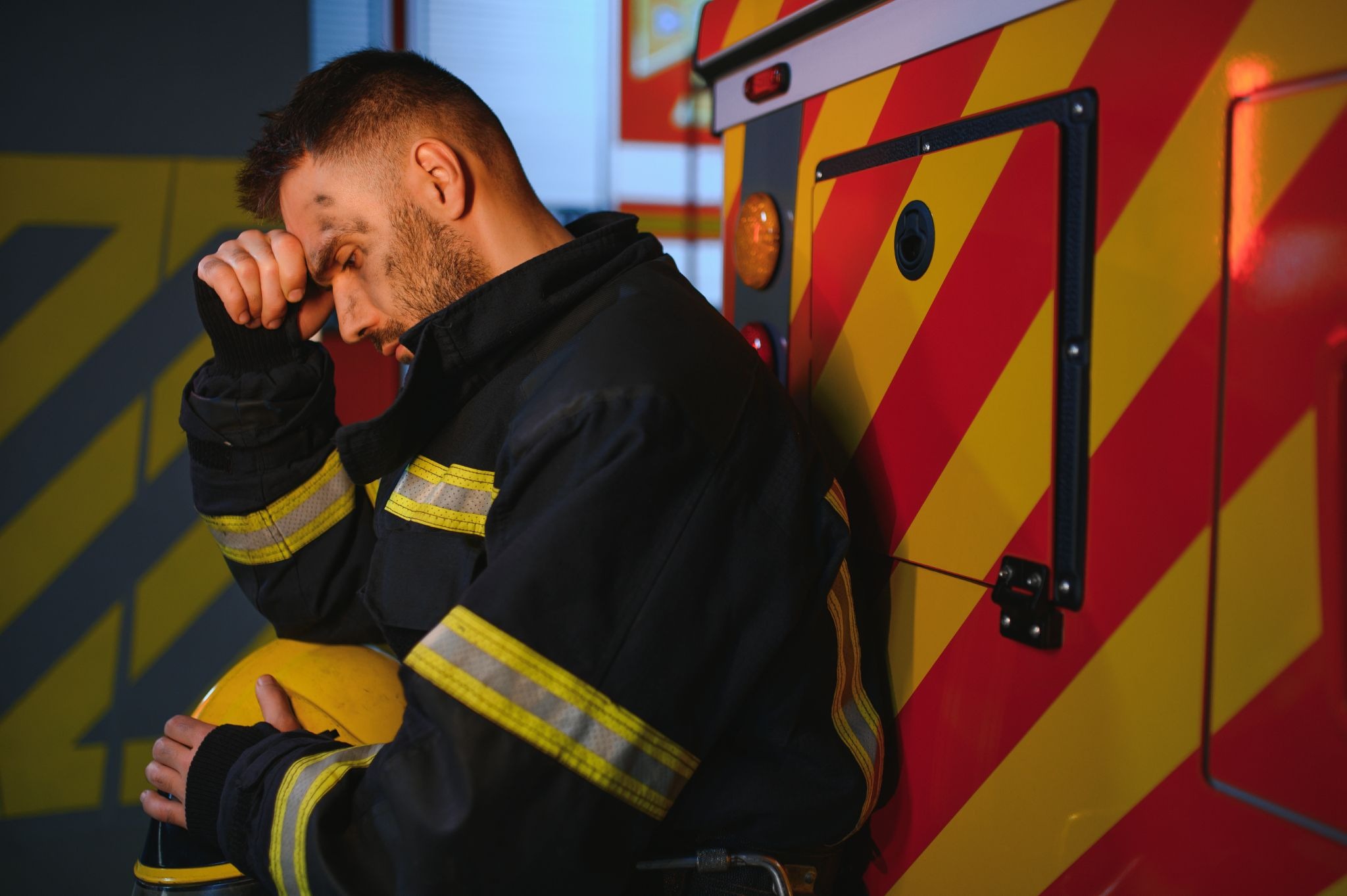
For first responders, that gap between awareness and action is not just frustrating. It is deadly.
For first responders, that gap between awareness and action is not just frustrating. It is deadly. A national Florida State University study of more than 1,000 firefighters found that nearly 50% had suicidal thoughts at some point in their careers.
So here is the real question departments need to be asking this June: After the awareness campaign ends, what actually happens on Monday morning?
The Wall of Silence Is Built Into the Culture
Nearly 1 in 10 men experience depression or anxiety, but less than half receive treatment. Even more alarming, men are four times more likely to die by suicide than women.
For generations, men have been told to "stay strong" or "deal with it." These messages can make it harder to talk openly about emotional pain, stress, grief, or anxiety, leading many men to suffer alone.
In first responder environments, these cultural pressures do not disappear; they amplify. The job demands composure. Vulnerability feels like a liability.
A systematic review and meta-analysis found that 33.1% of first responders endorsed stigma items around mental health care, with the most frequently endorsed concerns being fears about confidentiality and negative career impact.
What Departments Can Actually Do
Move from awareness to action with targeted, respectful initiatives. Here is what works:
Build or Formalize a Peer Support Program
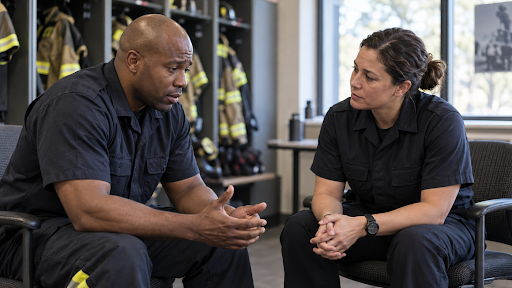
Peer support programs have higher participation rates than Employee Assistance Programs and outside mental health resources, and research has found that police officers view peer support training as practical, informative, relevant, and useful. The reason is simple: a trusted peer can open the door in a way formal resources sometimes cannot, especially when that peer is trained to connect someone with professional support when needed.
Make Confidential Resources Easy to Find and Use
Among the most frequently endorsed barriers to mental health care in first responders were scheduling concerns and not knowing where to get help. Departments can eliminate both obstacles by:
- Posting clear, laminated resource cards in locker rooms, apparatus bays, and station bathrooms
- Offering telehealth mental health options that require no scheduling around shift work
- Partnering with platforms built specifically for first responders so members see a face that understands their world
Train Supervisors to Recognize Signs and Start Conversation
Supervisors are often the first to notice change in behavior after a traumatic call, increasing irritability and social withdrawal. Education and training programs that focus on recognizing the signs of mental health issues, understanding the importance of seeking help, and reducing stigma can empower first responders to prioritize their well-being.
This does not need to be a semester-long course. A two-hour mental health first aid training for sergeants, lieutenants, and shift supervisors can change the culture of an entire station.
Normalize It From the Top Down
A recent survey revealed that 49% of men felt more depressed than they admitted to the people in their lives. That gap narrows when leadership shares their own experiences.
Leaders do not need to share every private detail. Even saying, ‘I talked to someone during a hard season,’ can lower the temperature in the room.
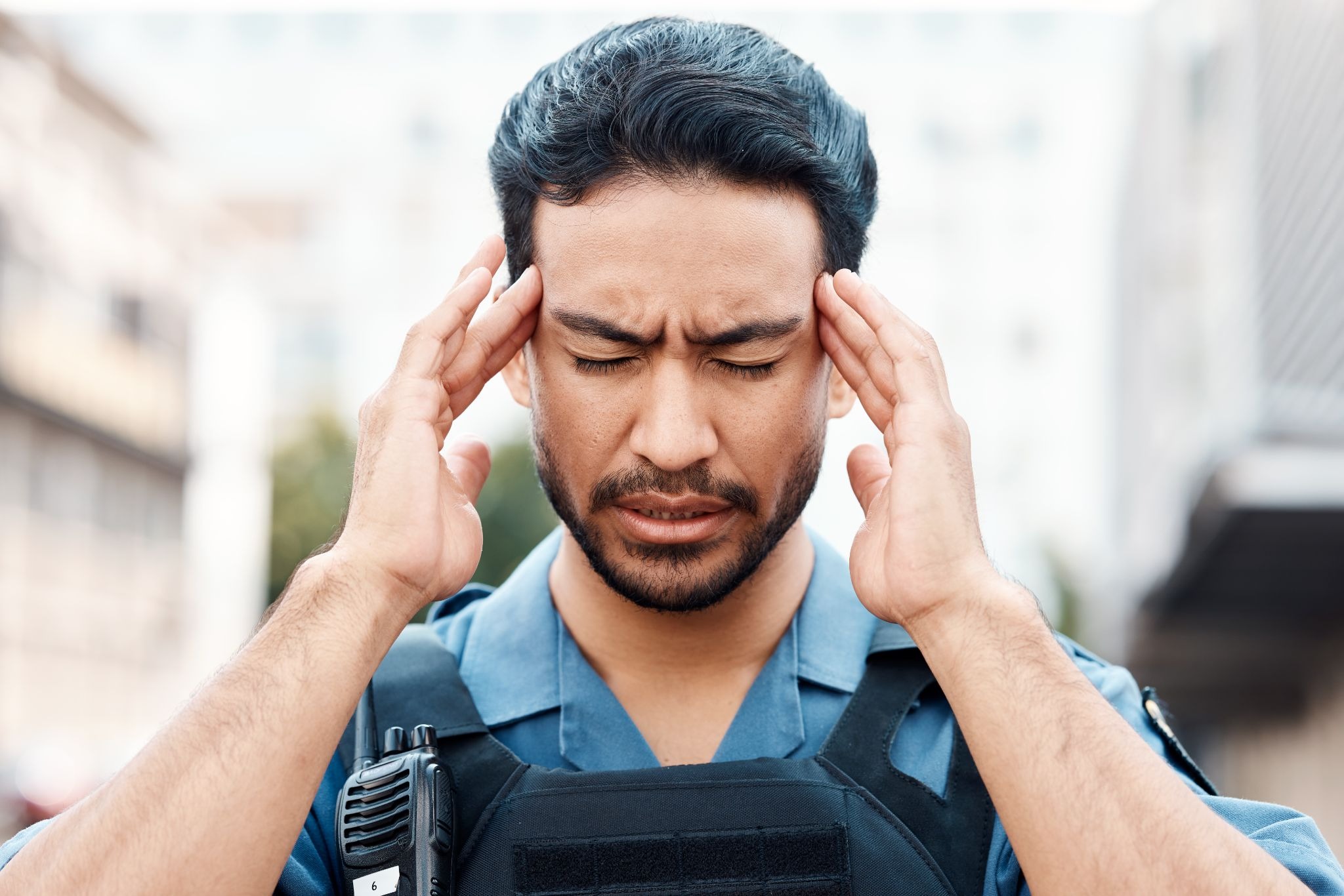
The Cost of Doing Nothing
Too many departments still lack suicide prevention programs tailored to the realities of first responder work. Peer support can be an important part of prevention, but it works best when paired with confidential clinical referral pathways, supervisor training, and clear protections against career harm.
Men with reported mental illness receive care at a rate of 40%, compared to 52% of women, and first responders carry a mental health burden far heavier than the general public. They absorb the weight of other people's worst days, every shift, for entire careers. Expecting them to process that silently is not a cultural norm worth protecting.
Turning Awareness into Everyday Practice
Awareness matters. It opens a door. But your people need more than an open door. They need a path, a guide, and the assurance that walking through it will not cost them their career or their reputation.
Men's Mental Health Month is 30 days. What departments build during those 30 days can last for decades. Start with one peer support volunteer. Train one supervisor cohort. Post one clear resource in every station.
The shift from awareness to action does not require a massive budget. It requires a sustained decision.

.png)





.png)