
.png)


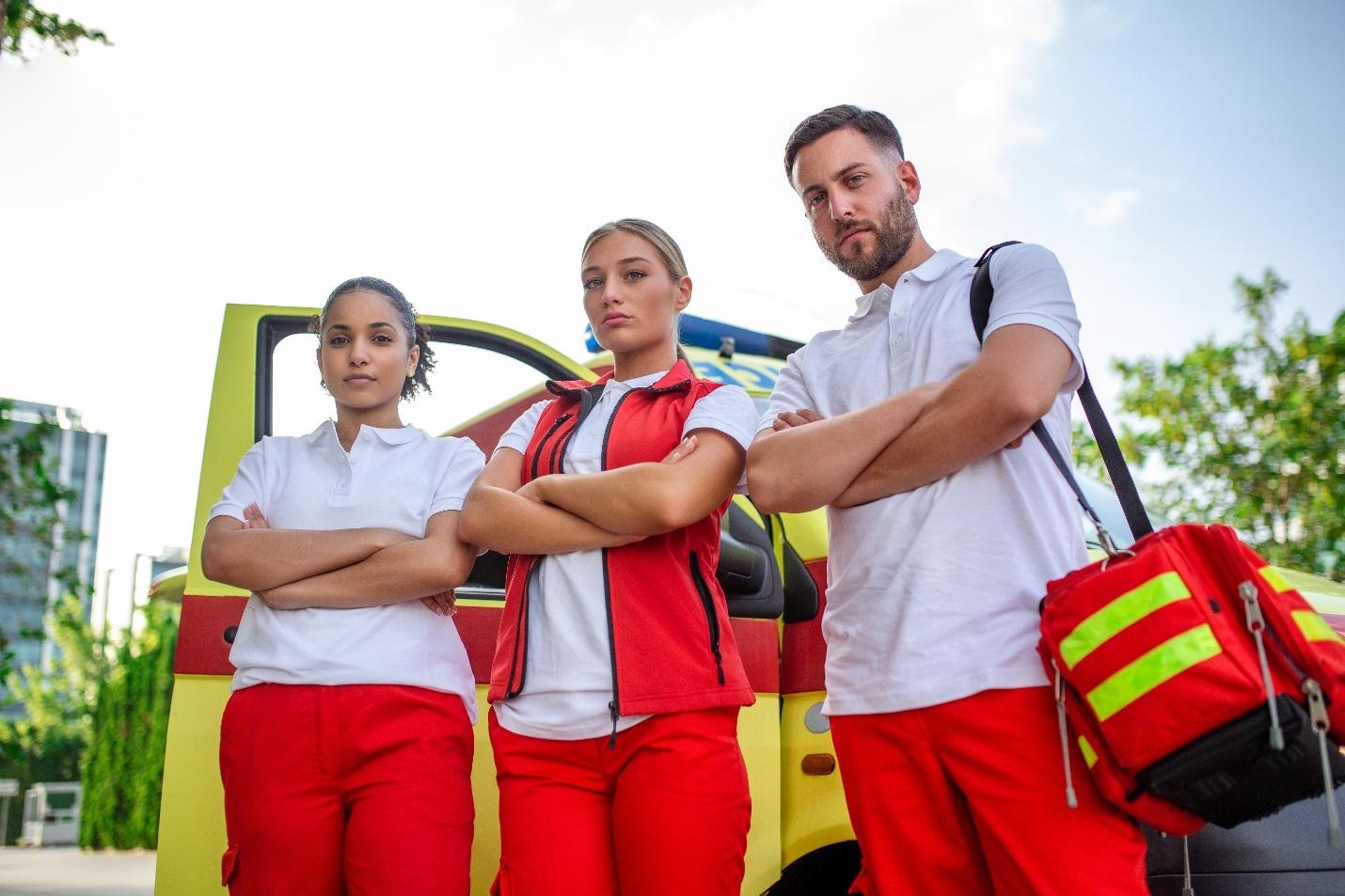
The stresses that first responders operate under are not what most workplace wellness programs are designed to handle.
Firefighters, police officers, paramedics, emergency medical technicians, dispatchers and other public safety workers are constantly exposed to horrific incidents, irregular schedules, sleep disruption, public scrutiny and life-or-death decisions. These experiences can lead to post-traumatic stress, despair, anxiety, burnout, substance misuse and relationship troubles over time.
Research has indicated greater incidence of mental health problems among public safety workers compared to several other occupational categories (Carleton et al., 2018; Petrie et al., 2018). But simply offering a wellness platform does not mean first responders will use it.
The platform must be private, relevant, accessible, and secure.
The most significant aspects to consider by organizations are:
1. Clear and Credible Confidentiality
Confidentiality is a huge issue for first responders who are seeking mental health help.
Many worry that asking for help would impact their advancement, duty status, reputation, or employment record. Systematic research indicated that confidentiality issues, stigma and fear of job implications were the most common barriers for first responders to seek mental health care (Haugen et al., 2017).
A strong wellness platform should clearly explain:
- Who can access personal information
- What employers and supervisors can see
- Whether participation appears in personnel records
- When information may legally need to be disclosed
- How assessment and therapy records are protected
Confidentiality should not be hidden inside a long privacy policy. It should be explained in direct, understandable language before a person begins using the service.
At the same time, platforms should avoid making unrealistic promises. Confidentiality may have limits when there is an imminent risk of harm, suspected abuse, a court order, or another legal reporting requirement.
2. First Responder–Informed Clinical Support
A licensed therapist may be highly qualified but still lack an understanding of first responder culture.
People working in fire, EMS, law enforcement, and dispatch should not have to spend several sessions explaining critical incident exposure, gallows humor, hypervigilance, shift work, survivor guilt, or the difficulty of moving from an emergency scene back into family life.
Organizations should look for platforms that offer clinicians trained in:
- Occupational and cumulative trauma
- Post-traumatic stress
- Moral injury
- Sleep disruption
- Grief and loss
- Substance misuse
- Family and relationship stress
- First responder workplace culture
There should also be evidence-based therapy alternatives. Current clinical guidelines recommend trauma-focused interventions (e.g., Cognitive Processing Therapy, Prolonged Exposure, Eye Movement Desensitization and Reprocessing) for people with PTSD when clinically appropriate (Department of Veterans Affairs & Department of Defense [VA/DoD], 2023).
Wellness videosand breathing exercises can be helpful but should not be a substitute for professional care when clinical support is needed.
3. Peer Support with Proper Training
Peer support can make the first step toward help feel easier.
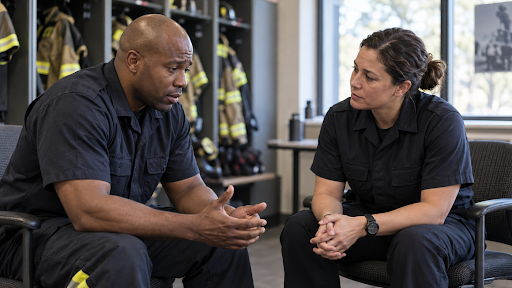
Talking to someone who has been there can reduce isolation and make support feel more real. However, peer support should not be unstructured.
Effective peer programs include careful selection, formal training and supervision, clear norms of confidentiality, and referral paths to licensed experts (Creamer et al., 2012).
A platform should have a clear function for peer supporters. Peers can listen, guide, encourage and share lived experience, but they shouldn’t diagnose mental health issues or manage major safety hazards on their own.
The strongest platforms are those that link peer help with professional care, allowing users to shift to the correct level of support when their needs become more complex.
4. Access That Fits First Responder Schedules
First responders rarely work traditional office hours.
A platform that only offers appointments between 9 a.m. and 5 p.m. may be inaccessible to someone working overnight, completing a 24-hour shift, attending court, or responding to an emergency.
Useful access options include:
- Evening and weekend appointments
- Telehealth sessions
- Mobile and web access
- Flexible scheduling
- Easy appointment rescheduling
- Secure messaging with clear response times
- Immediate crises contact information
Support should be available when first responders can realistically use it, not only when it is convenient for the provider.
5. A Clear Crisis Response Pathway
A wellness platform serving first responders must be prepared for serious mental health concerns.
Research has identified suicide risk as an important occupational issue among police officers, firefighters, paramedics, and emergency medical personnel (Stanley et al., 2016).
The platform should have clear procedures for responding to:
- Suicidal thoughts
- Imminent danger
- Severe emotional distress
- Substance-related crises
- Acute trauma reactions
- Safety concerns involving family members or others
These procedures should explain when emergency services, clinical professionals, trusted contacts, or organizational representatives may become involved.
The goal should be to respond appropriately without treating every expression of distress as an automatic emergency.
6. Validated Assessments and Meaningful Outcomes
Many platforms include wellness questionnaires, but not every questionnaire is clinically reliable.
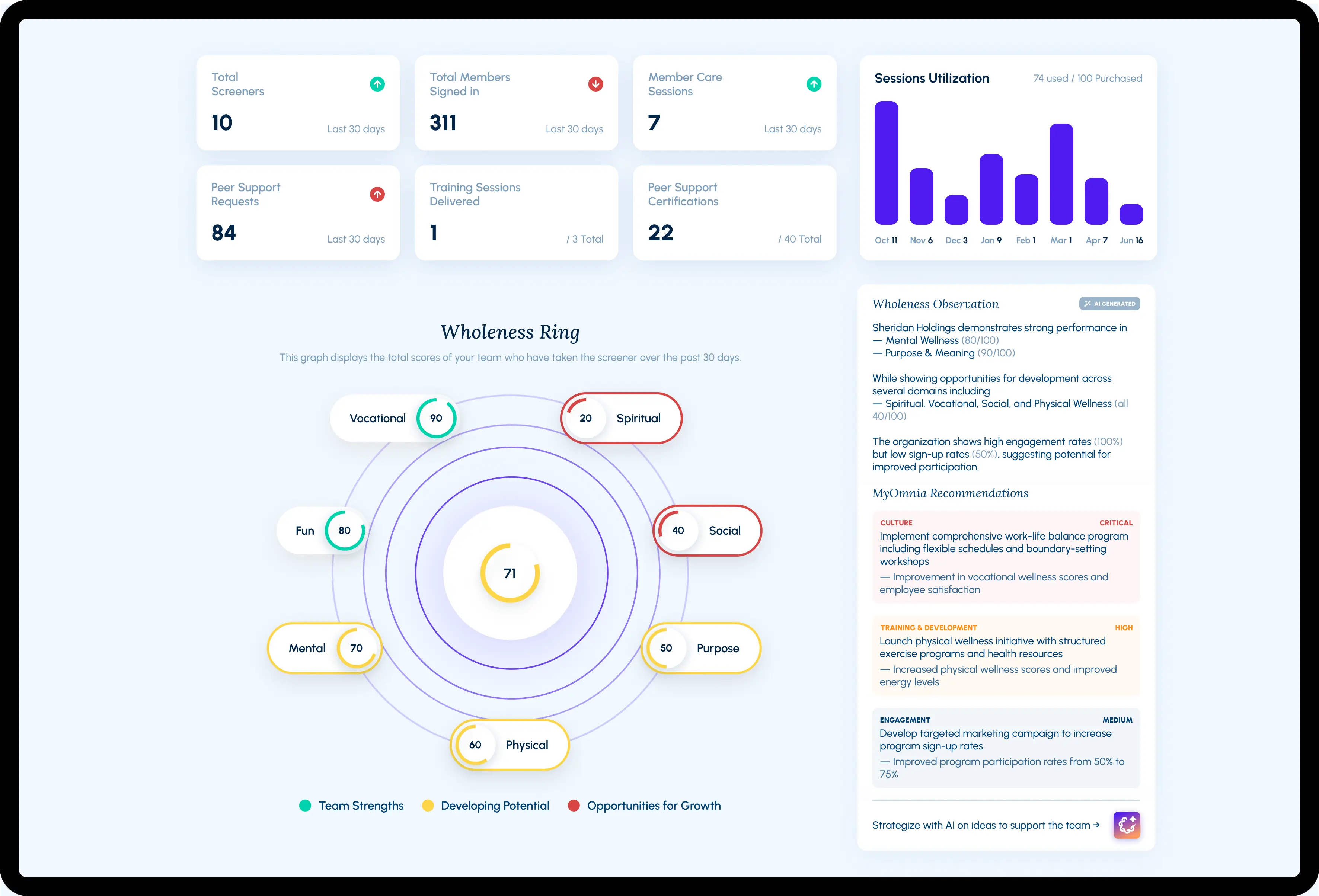
Organizations should look for validated screening tools for concerns such as depression, anxiety, PTSD, sleep problems, alcohol use, and suicide risk. Results should support conversations and referrals rather than being presented as a diagnosis.
The platform should also measure outcomes that matter, including:
- Earlier help-seeking
- Reduced symptoms
- Improved daily functioning
- Greater trust in available support
- Better access to appropriate care
- Improved continuity between peer and clinical services
Employers may receive aggregated, de-identified insights about workforce needs, but they should not automatically receive individual clinical information.
Choosing a Platform People Will Actually Use
Features, dashboards, and pricing all matter. However, the most important question is whether a first responder would trust the platform enough to use it before reaching a crisis.
A strong platform combines confidentiality, culturally informed care, trained peer support, flexible access, evidence-based treatment, and clear crisis procedures. It should also help organizations build a culture where seeking support is viewed as responsible rather than weak.
Build a Wellness Experience First Responders Can Trust
MyOmnia helps organizations build a confidential first responder wellness experience with private access, first responder-informed care navigation, peer-informed guidance, validated assessments, and clear clinical support pathways.
Give first responders a safer and more accessible way to seek support while helping your organization understand broader wellness needs through responsible, de-identified insights.
References
Carleton, R. N., et al. (2018). Mental disorder symptoms among public safety personnel in Canada. The Canadian Journal of Psychiatry, 63(1), 54–64. https://doi.org/10.1177/0706743717723825
Creamer, M. C., et al. (2012). Guidelines for peer support in high-risk organizations: An international consensus study using the Delphi method. Journal of Traumatic Stress, 25(2), 134–141. https://doi.org/10.1002/jts.21685
Department of Veterans Affairs & Department of Defense. (2023). VA/DoD clinical practice guideline for the management of posttraumatic stress disorder and acute stress disorder. https://www.healthquality.va.gov/guidelines/MH/ptsd/
Haugen, P. T., McCrillis, A. M., Smid, G. E., & Nijdam, M. J. (2017). Mental health stigma and barriers to mental health care for first responders: A systematic review and meta-analysis. Journal of Psychiatric Research, 94, 218–229. https://doi.org/10.1016/j.jpsychires.2017.07.008
Petrie, K., et al. (2018). Prevalence of PTSD and common mental disorders amongst ambulance personnel: A systematic review and meta-analysis. Social Psychiatry and Psychiatric Epidemiology, 53, 897–909. https://doi.org/10.1007/s00127-018-1539-5
Stanley, I. H., Hom, M. A., & Joiner, T. E. (2016). A systematic review of suicidal thoughts and behaviors among police officers, firefighters, EMTs, and paramedics. Clinical Psychology Review, 44, 25–44. https://doi.org/10.1016/j.cpr.2015.12.002

.png)





.png)