
.png)


Modern workplaces are experiencing unprecedented levels of stress, such as medical emergencies, customer escalations, workplace accidents, high-stakes decision-making, or the cumulative pressure of demanding roles. Employees today are exposed to more emotional strain than ever before.
Research shows that nearly 3 in 5 employees reported negative impacts of work-related stress, including lack of interest, motivation, or energy (26%) and lack of effort at work (19%) (American Psychological Association, 2022). These stressors don’t just disappear when the moment passes; they accumulate, shaping an employee’s mental health and long-term well-being.
In response, organizations are shifting their focus from simple reactive measures to proactive, preventative strategies centered on holistic work wellbeing. This is where structured, empathetic, and professional interventions like critical incident stress debriefing come into play, not as a cure, but as a critical first step toward stabilization, normalization, and recovery.
As organizations begin to recognize the importance of mental health at work, platforms like MyOmnia Health are leading the way by offering structured, compassionate, and clinically aligned debriefing solutions. By integrating CISD into workplace well-being strategies, MyOmnia Health helps companies create safer, more resilient environments where employee mental health is prioritized rather than overlooked.
What Is Critical Incident Stress Debriefing?
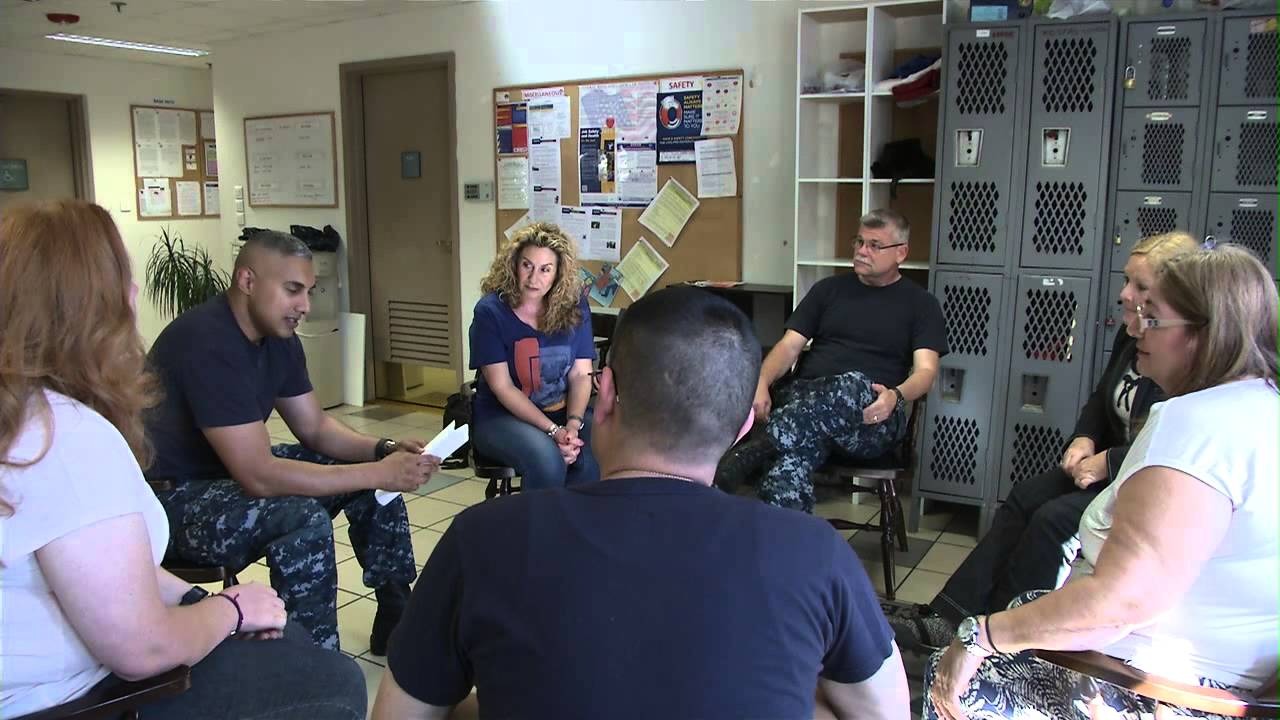
Critical Incident Stress Debriefing (CISD) is a structured, evidence-informed conversation designed to help individuals and teams process the emotional impact of a traumatic or highly stressful workplace event.
CISD provides a safe, guided environment where employees can discuss what happened, how they felt, and what psychological responses they are experiencing. It is not therapy; rather, it is a supportive group intervention intended to reduce acute stress and promote emotional stabilization.
Workplaces use critical incident stress debriefing because high-intensity moments can leave employees overwhelmed, confused, or emotionally unsettled. This is especially true in environments where teams regularly encounter distressing situations, such as:
- Medical or psychiatric emergencies
- Workplace accidents or safety incidents
- Customer-facing confrontations or aggression
- Traumatic losses or critical failures
- Frontline exposure to violence or crisis
- Emotionally charged interactions that disrupt team functioning
The goal of CISD is simple but powerful:
✔ Help employees process what happened
✔ Normalize stress reactions
✔ Provide emotional support immediately after an incident
✔ Identify individuals who may need additional assistance
✔ Restore a sense of control and safety
By offering space for reflection and structured conversation, CISD helps prevent the buildup of unprocessed stress, a key factor that contributes to long-term psychological strain, burnout, and disengagement.
What Is Critical Stress Debriefing?
Critical stress debriefing is a term often used interchangeably with CISD, but it refers specifically to the structured conversation model conducted after a critical, stressful, or traumatic workplace incident.
This facilitated session usually follows these steps:
- Introduction & setting expectations
- Exploration of the event
- Sharing emotional reactions
- Normalizing stress responses
- Identifying coping tools
- Offering psychological support
- Providing actionable next steps
This process is invaluable because it functions as a crucial screening opportunity. While the goal is not intensive therapy, the debriefing identifies individuals who are struggling beyond the normal range of stress and those who require professional follow-up and referral to specialized care. This early intervention is the cornerstone of effectively reducing long-term psychological stress and bolstering work well-being.
Understanding Work Wellbeing
Work wellbeing today goes far beyond mere job satisfaction. It represents the overall experience of employees and how safe, supported, and valued they feel in their workplace. True work wellbeing encompasses four interconnected dimensions:
- Physical well-being: safe work environment, manageable workloads, adequate rest, and access to health resources
- Emotional well-being: stress management, self-confidence, and feeling recognized and supported
- Social well-being: trust, teamwork, positive relationships, and sense of belonging
- Psychological well-being: feeling respected, mentally safe, and able to express thoughts and emotions without fear
Employee well-being is now one of the top predictors of retention, productivity, and organizational resilience (Deloitte, 2024). High-stress incidents or crises such as workplace accidents, emotionally charged confrontations, or frontline exposure to trauma can disrupt these dimensions immediately.
If left unaddressed, stress reactions may persist and accumulate, affecting both individuals and teams. This is where CISD and critical stress debriefing become essential components of a workplace's mental health strategy.
How Debriefing Supports Work Wellbeing
Critical incident stress debriefing (CISD) and its focused component, critical stress debriefing, play a central role in protecting and enhancing employee work wellbeing.
By providing a structured, supportive environment immediately after stressful or traumatic incidents, debriefing helps employees recover emotionally and functionally both as individuals and as part of a team. Here’s how debriefing strengthens work wellbeing:
Faster Emotional Recovery:
Talking through the incident, validating experiences, and sharing coping strategies accelerates emotional stabilization, preventing lingering distress.
Reduced Burnout and Long-Term Trauma:
Unprocessed stress can accumulate and lead to burnout or post-traumatic stress. Early debriefing allows individuals to normalize their reactions, identify warning signs, and access additional support if needed, lowering long-term psychological risks.
Better Team Communication and Trust:
Group debriefings foster open dialogue, encourage empathy, and create shared understanding. Teams emerge with stronger cohesion, mutual support, and trust, which are essential elements of a resilient workplace.
Early Intervention through EAPs:
Debriefings often act as the first point of contact with Employee Assistance Programs (EAPs). By identifying employees who may need additional counseling or mental health support, organizations can intervene early, increasing the effectiveness of wellness initiatives.
Stronger Resilience and Overall Workplace Morale:
When employees see that their organization responds promptly and compassionately to high-stress events, morale improves. Staff feel valued, supported, and psychologically safe, which strengthens overall workplace resilience.
Research supports that structured post-incident interventions reduce stress, improve coping, and enhance employee engagement (Mitchell, 2019). Integrating these sessions into broader well-being strategies ensures employees recover faster and organizations maintain a healthy, productive workforce.
How MyOmnia Health Helps Organizations Build Resilient Workplaces
Workplaces today need more than just reactive solutions; they need proactive, holistic approaches that support employee wellbeing at every level. MyOmnia Health provides comprehensive services that integrate mental health, wellness, and structured stress management into organizational strategies.
Key Services Offered by MyOmnia Health
- Well-being Programs: Customized programs designed to enhance emotional, physical, social, and psychological health. These initiatives focus on creating sustainable habits, building resilience, and promoting long-term engagement.
- Wellness Services: Holistic services including stress management workshops, mindfulness sessions, and employee wellness challenges that support both preventive and post-incident mental health care.
- Wholeness-Based Consulting: Guidance for leadership and HR teams on creating psychologically safe workplaces, designing workflows that reduce stress, and fostering cultures where wellbeing is a core organizational value.
- Employee Assistance Program (EAP): Confidential support services that connect employees with professional counseling, crisis intervention, and ongoing mental health resources. The EAP acts as an accessible bridge for individuals requiring deeper support after critical incidents.
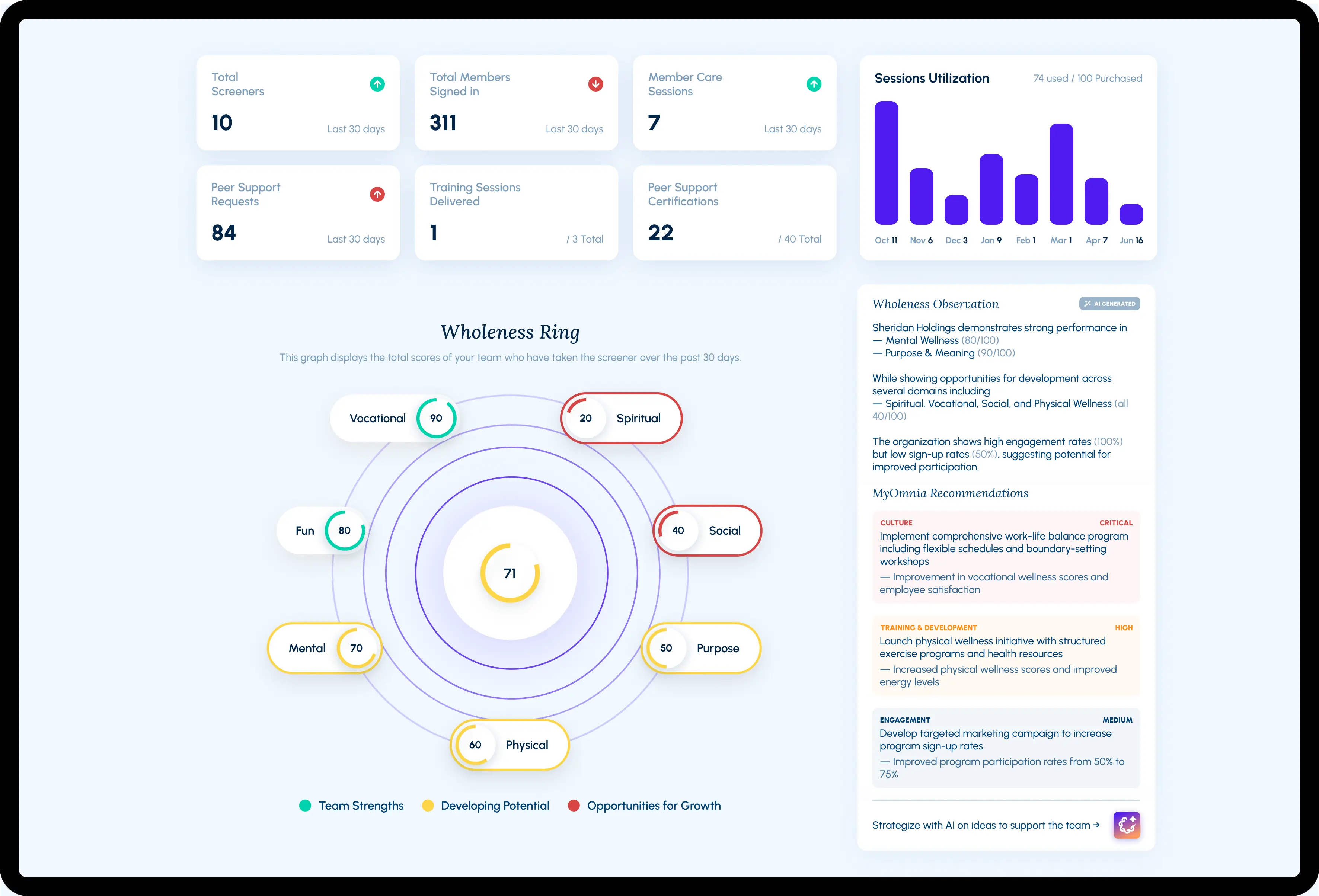
MyOmnia Health integrates critical stress debriefing into corporate wellness by providing immediate support after incidents and connecting employees to ongoing EAP and wellness programs, promoting resilience and overall work wellbeing.
Best Practices for Implementing Stress Debriefing in Workplaces

To maximize the benefits of critical stress debriefing and protect employee work well-being, organizations should follow these best practices:
- Conduct debriefings within 24–72 hours of an incident to ensure emotional responses are addressed early.
- Use trained facilitators who understand trauma, stress reactions, and effective communication techniques.
- Protect confidentiality so employees feel safe sharing personal experiences without fear of judgment or repercussions.
- Provide follow-up support through EAPs, counseling, or wellness programs for employees who need additional care.
- Combine debriefing with long-term well-being programs to integrate emotional recovery into a broader culture of workplace wellness and resilience.
By adhering to these practices, organizations can reduce burnout, strengthen team trust, and enhance overall workplace morale while creating a psychologically safe environment that values employee mental health.
Conclusion:
Critical Incident Stress Debriefing (CISD) is more than just a reactive tool; it is a vital component of maintaining work wellbeing. By providing employees with structured support after stressful or traumatic events, organizations can reduce burnout, strengthen resilience, and foster a culture of trust and psychological safety.
In today’s fast-paced and high-pressure workplaces, adopting preventative mental health strategies is no longer optional. Proactively integrating debriefings, Employee Assistance Programs (EAPs), and holistic wellness initiatives ensures that employees not only recover faster but also thrive in the long term.
Connect with MyOmnia Health to design customized wellness programs, implement structured stress debriefings, and create a workplace where employees feel supported, resilient, and empowered every day.
References
- American Psychological Association. (2023). Work in America Survey: Workplaces as engines of psychological health & well-being. https://www.apa.org/pubs/reports/work-in-america/2023-workplace-survey
- Deloitte. (2024). Global Human Capital Trends. https://www.deloitte.com/lv/en/about/press-room/deloitte-2024-global-human-capital-trends.html
- Mitchell, J. T. (2019). A primer on Critical Incident Stress Management (CISM). International Critical Incident Stress Foundation. https://icisf.org/a-primer-on-critical-incident-stress-management-cism/
FAQs
1. What is Critical Incident Stress Debriefing (CISD)?
Critical Incident Stress Debriefing is a structured, supportive conversation designed to help employees process the emotional impact of traumatic or high-stress workplace events. It helps reduce stress, prevent burnout, and restore work wellbeing.
2. How is Critical Stress Debriefing different from CISD?
Critical Stress Debriefing is a focused session within the broader CISD framework. It specifically refers to the guided group discussion conducted shortly after a stressful incident, aiming to normalize reactions and provide emotional support.
3. Why is work wellbeing important for organizations?
Work wellbeing encompasses physical, emotional, social, and psychological health. Supporting it improves productivity, reduces turnover, enhances team cohesion, and prevents long-term stress-related issues.
4. When should debriefing be conducted?
Debriefing is most effective within 24–72 hours after a critical incident, allowing employees to process the event early while minimizing long-term psychological impact.
5. Who should facilitate stress debriefing sessions?
Debriefings should be led by trained facilitators skilled in trauma-informed care, stress management, and employee mental health.
6. How does MyOmnia Health support debriefing and workplace wellness?
MyOmnia Health integrates debriefings with Employee Assistance Programs (EAPs), wellness services, and wholeness-based consulting to provide continuous support, boost resilience, and maintain overall work wellbeing.

.png)





.png)