
.png)


In the high-stakes world of emergency services and healthcare, where every shift can mean the difference between life and death, professionals like first responders and nurses bear an immense emotional load. Recent statistics show over 80% of first responders report experiencing trauma on the job, contributing to rising mental health challenges (Obediku, 2024).
As we delve into the factors driving suicide rates among first responders and the burnout among nurses, we'll explore practical paths to resilience, including effective decompression techniques and supportive programs. At MyOmnia Health, our mission is to foster workplace wellbeing through wholeness consulting and tailored Employee Assistance Programs (EAP), helping these heroes reclaim their strength and balance.
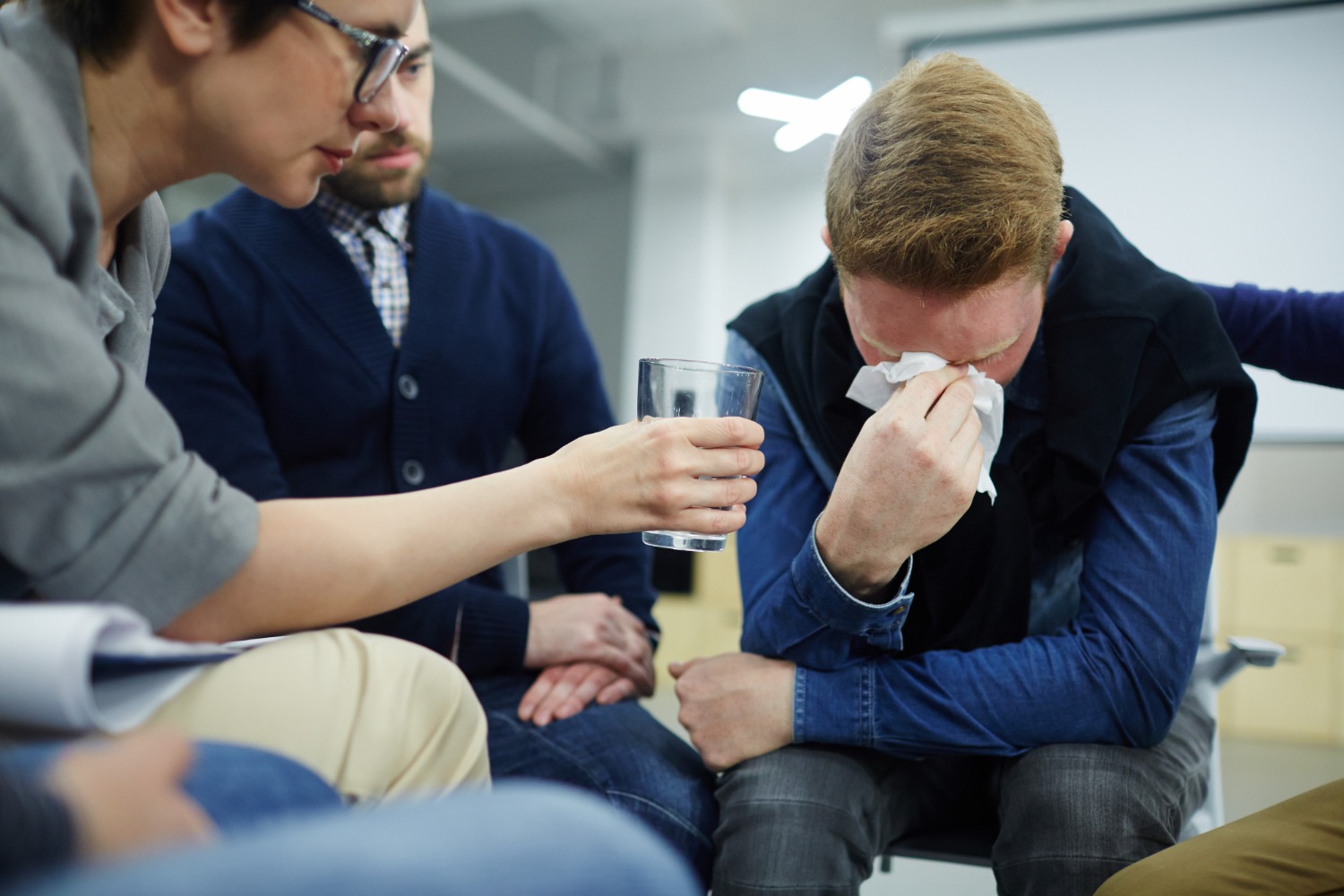
Suicide Rates Among First Responders
The suicide rates among first responders have reached alarming levels, demanding urgent attention from organizations and communities alike. Research indicates that firefighters, for instance, face a suicide rate of 18 per 100,000, higher than the general population's 13 per 100,000. Several interconnected triggers play a role in elevating suicide risk:
- Emotional suppression: First responders are often expected to remain composed under extreme pressure, leaving little room to express fear, grief, or vulnerability.
- Environmental stressors: Shift work, understaffing, administrative pressures, and public scrutiny add layers of stress beyond emergency scenes.
- Repeated trauma exposure: Witnessing death, severe injury, abuse, and human suffering can lead to unresolved trauma and compassion fatigue.
- Cultural stigma: A “stay strong” mindset can discourage help-seeking, making individuals feel isolated even within close teams.
Early intervention is one of the most effective ways to reduce suicide risk among first responders. Addressing stress reactions before they escalate into burnout, depression, or suicidal ideation allows individuals to build healthier coping strategies and resilience.
Organizations that respond responsibly by normalizing help-seeking, offering EAP support, and prioritizing psychological safety play a critical role in protecting the lives of those who protect others.
First Responder Suicide Rate
First responders, including police officers, firefighters, EMTs, and paramedics, experience significantly elevated rates of suicidal ideation and attempts compared with the general population. Career firefighters have reported lifetime suicidal ideation as high as 46.8% and suicide attempts at 15.5%. (National Fallen Firefighters Foundation)
A major reason behind this under-reporting is stigma around seeking help. Cultural expectations of toughness, fear of professional consequences, and concerns about confidentiality often prevent first responders from accessing mental health support. This silence delays early intervention, allowing stress and trauma to compound over time.
Addressing the first responder suicide rate requires more than awareness. It demands organizational cultures that normalize help-seeking, protect confidentiality, and prioritize psychological safety alongside physical safety.
Nurses Facing Burnout and Turning to Self-Care
Across healthcare systems worldwide, nurses facing burnout turn to self-care not as a trend, but as a necessity for survival. Studies show that over 50% of nurses report burnout symptoms, with rates nearing 60% among mental health professionals. (Iwuh, 2025).
Why Burnout Is Rising Among Nurses
Burnout in nursing is driven by a convergence of pressures:
- Excessive workload and staffing shortages: Long shifts, overtime, and chronic understaffing increase physical and mental exhaustion.
- Emotional fatigue: Continuous exposure to suffering, death, and ethical dilemmas leads to compassion fatigue and emotional depletion.
- Patient and organizational pressure: High expectations, time constraints, and administrative demands reduce recovery time and autonomy.
Nurses facing burnout turn to self-care practices, from mindfulness and yoga to seeking private mental health coaching. However, self-care should not be a solo burden. Hospitals and healthcare organizations have a responsibility to provide structured support systems like EAP counselling and wholeness-based consulting to ensure their staff thrives.
Effective Decompression Techniques for First Responders After High-Stress Shifts
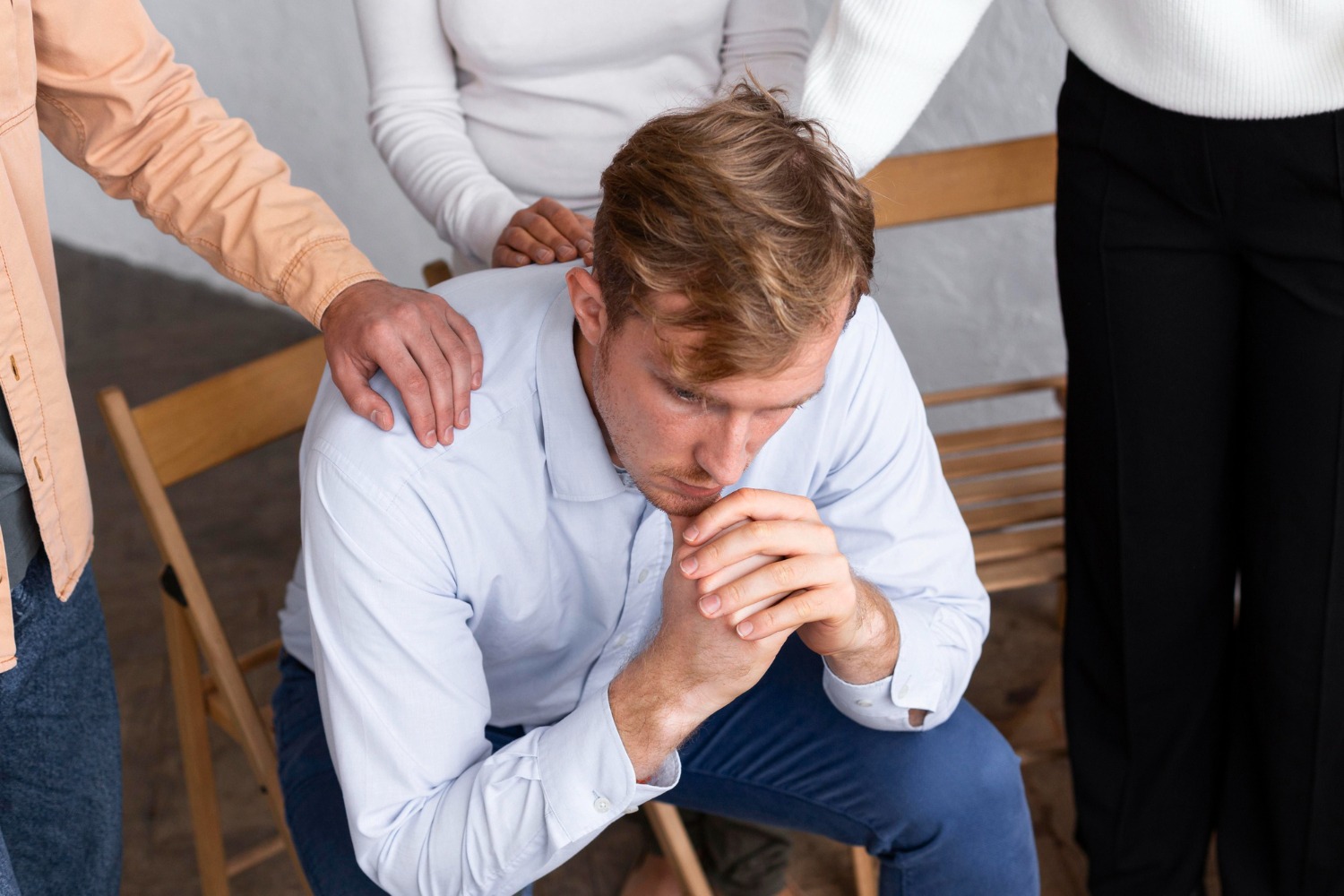
Without proper decompression, stress accumulates, increasing the risk of burnout, PTSD, and even suicide. Implementing effective decompression techniques after high-stress shifts is essential for maintaining resilience and long-term mental health.
Breathing Techniques & Grounding Exercises
- Deep diaphragmatic breathing: Helps regulate the nervous system and reduce acute stress.
- Box breathing or 4-4-4 method: Simple rhythm-based exercises to calm racing thoughts.
- Grounding techniques: Engaging the senses of touch, sight, and sound anchors responders to the present moment, reducing rumination over traumatic events.
Peer Support Circles
- Structured peer check-ins: Sharing experiences with colleagues who understand the pressures of the job fosters connection and reduces feelings of isolation.
- Mutual support networks: Encourage normalization of emotional reactions and early recognition of distress signals.
Mental Health Coaching
- Professional guidance: Coaches teach coping strategies, resilience-building exercises, and personalized stress-management plans.
- Skill development: Focus on emotional regulation, boundary-setting, and problem-solving under pressure.
EAP Counselling and Crisis Debriefing
- Employee Assistance Programs (EAP): Provide confidential counselling, mental health assessments, and referrals.
- Critical Incident Stress Debriefing (CISD): Structured sessions that allow responders to process traumatic events immediately after exposure, reducing the risk of long-term trauma.
Implementing these decompression practices regularly helps reinforce resilience transforming reactive burnout into proactive well-being.
Pros & Cons of Decompression Techniques
Implementing decompression techniques for first responders after high-stress shifts comes with clear benefits and some practical challenges. Understanding both sides helps organizations design programs that are effective, sustainable, and widely adopted.
Benefits
✔ Emotional reset after traumatic exposure
✔ Lower long-term stress and trauma symptoms
✔ Improved critical decision-making under pressure
✔ Stronger team cohesion and self-awareness
Limitations
✖ Not uniformly adopted across agencies
✖ Often lack formal training or structured programs
✖ Organizational barriers and scheduling constraints
✖ Persistent stigma around mental health participation
How Critical Stress Debriefing & EAP Support Make a Difference
Critical stress debriefing works by facilitating group discussions post-incident, allowing participants to process emotions and normalize reactions. It reduces trauma symptoms like anxiety and flashbacks, building resilience. EAP support complements this by providing confidential counseling and resources tailored to critical incidents, helping professionals navigate ongoing stress.
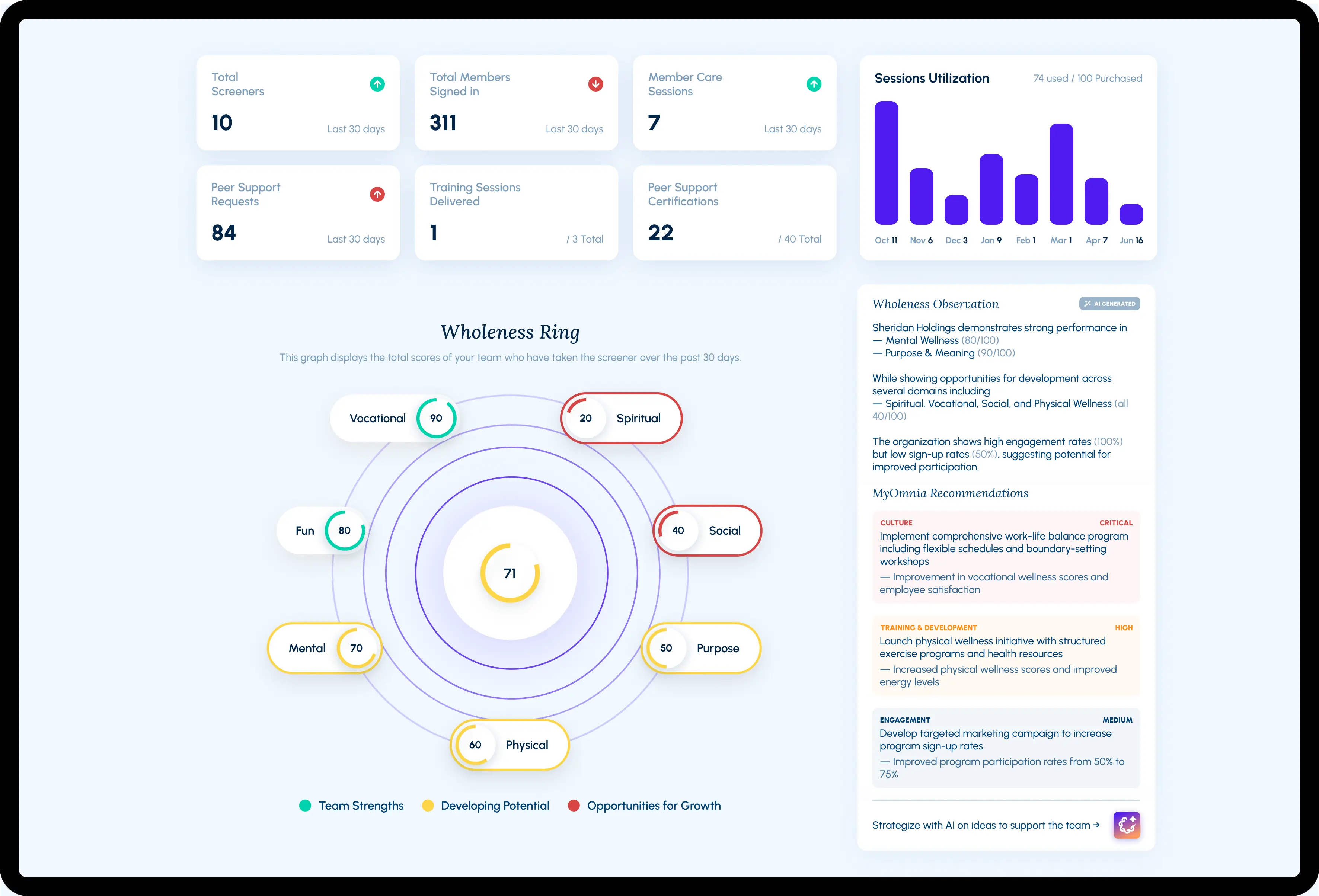
MyOmnia Health’s EAP programs offer confidential counseling, trauma-informed debriefing, and mental health coaching, integrated with workplace wellbeing initiatives.
How MyOmnia Health Supports First Responders & Nurses
At MyOmnia, we take a holistic approach to supporting first responders and nurses, combining individual care with organizational wellness strategies. Core services include:
- Workplace well-being programs: Tailored initiatives to reduce stress, prevent burnout, and create supportive work environments.
- Mental health coaching and decompression training: Practical tools to manage stress, process trauma, and maintain emotional balance after high-pressure shifts.
- Wholeness-based consulting: Integrates mental, emotional, and operational well-being into everyday workplace culture.
- Structured EAP counselling: Confidential access to mental health professionals for individuals and teams during critical incidents.
- Trauma support and resilience-building tools: Evidence-based interventions to recover from trauma and strengthen long-term coping skills.
These services not only help manage immediate stress but also build resilience, prevent burnout, and promote sustained well-being for frontline professionals.
Building a Supportive Culture Around Mental Health
Creating a culture that prioritizes mental health is essential for first responders and nurses. Key strategies include:
- Train leaders to recognize signs of emotional distress
- Promote open conversations without judgment
- Ensure confidential access to psychological services
- Embed self-care into workload planning
- Celebrate vulnerability as strength
By fostering awareness, communication, and access, organizations can create a safe environment where employees feel supported both professionally and personally.
Conclusion:
The crisis of the first responder suicide rate and the struggle of nurses facing burnout turning to self-care are two sides of the same coin. They represent a workforce that has given everything and is asking for a support system that actually works.
Early intervention, effective decompression techniques for first responders after high-stress shifts, and robust EAP support are not luxuries they are life-saving necessities.
Ready to make a difference? Partner with MyOmnia Health. Together, let’s build well-being into the DNA of your organization and ensure those who save lives receive the support they deserve.
FAQs
Q: What contributes to high suicide rates among first responders?
Factors include repeated trauma exposure, shift work isolation, and stigma around seeking help, leading to elevated first responder suicide rates.
Q: Why are burnout levels rising among nurses?
Increased patient loads, emotional demands, and staffing shortages are key drivers, prompting more nurses facing burnout to turn to self-care.
Q: What are effective decompression techniques after a stressful shift?
Techniques like breathing exercises, grounding, and peer support are proven effective decompression techniques for first responders after high-stress shifts.
Q: How can organizations support high-stress professionals?
By offering EAP programs, training, and fostering open cultures, organizations can reduce suicide rates among first responders and support nurses.
Q: Can MyOmnia provide tailored well-being solutions for emergency services and healthcare workers?
Yes, MyOmnia Health offers customized EAP, mental health coaching, and wholeness consulting to address burnout and trauma in these fields.
References
- Obediku, S. (2024, September 6). Suicide rate among first responders continues to go up. KPLC. https://www.kplctv.com/2024/09/06/suicide-rate-among-first-responders-continues-go-up/ https://www.kplctv.com
- National Fallen Firefighters Foundation. (n.d.). Firefighter mental health and well‑being. FireHero. https://www.firehero.org/firefighter-mental-health/ firehero.org
- Iwuh, D. (2025). Preventing nurse burnout through self-care strategies (MS, Walden University). Walden University ScholarWorks. https://scholarworks.waldenu.edu/cgi/viewcontent.cgi?article=19846&context=dissertations

.png)





.png)