
.png)


Mental health at work has shifted from a peripheral concern to a central organizational priority. Expanding job demands, constant digital connectivity, and reduced recovery time between work and personal life have significantly increased psychological strain among employees.
Burnout, stress, and disengagement are no longer isolated or individual-level issues but reflect systemic workplace conditions. Moodle’s report indicates that approximately two-thirds (66%) of American employees report experiencing symptoms consistent with burnout.
This shift has pushed organizations to rethink how they support their people. Employee wellness initiatives are evolving from isolated, perk-based offerings into structured, prevention-oriented, and strategically integrated priorities. Companies are moving toward comprehensive worksite wellness programs that address mental, emotional, and physical health together.
MyOmnia Health supports this shift through a holistic, evidence-informed approach to workplace wellbeing. By combining structured worksite wellness programs, wellbeing consulting, and EAP services, MyOmnia Health helps organizations support the whole person and build resilient, people-centered workplaces.

Understanding Mental Wellness in the Workplace
Mental wellness in the workplace refers to an employee’s emotional, psychological, and social well-being within the work context, including how workplace conditions interact with individual coping capacity.. It influences how people think, feel, interact, manage stress, and perform daily tasks.
It extends beyond the presence or absence of clinical mental health conditions. Mental wellness includes:
- Feeling psychologically safe to speak up
- Having manageable workloads and realistic expectations
- Access to support during personal or professional challenges
- Positive relationships with managers and peers
- A sense of purpose and belonging at work
- Reasonable job demands and role clarity
APA’s Work in America Survey found that a large majority of workers report it is important that employers value emotional and psychological well-being, with perceived organizational support strongly associated with engagement, trust, and job satisfaction. Conversely, poor workplace mental health contributes to burnout, errors, conflicts, and high turnover.
Mental wellness in the workplace is not about removing pressure entirely but about maintaining sustainable levels of demand while strengthening individual and organizational coping resources.
What Are Employee Wellness Initiatives?
Employee wellness initiatives are actions, policies, and programs designed to support employees’ mental, emotional, and physical health. These initiatives can range from simple interventions to comprehensive wellness ecosystems.
Common examples include
- Mental health awareness and training sessions
- Stress management and resilience workshops
- Access to counseling or EAP services
- Flexible work arrangements
- Wellness check-ins and assessments
- Manager training on mental health support
However, one-time or reactive initiatives are insufficient to produce sustained improvements in employee mental health. Effective employee wellness initiatives require ongoing commitment. They should evolve based on feedback, ensuring sustained impact on employee mental health and organizational wellness. This continuous approach helps embed wellness into daily routines, leading to lasting changes.
The Role of Worksite Wellness Programs
Worksite wellness programs differ from informal initiatives by offering structured, organization-wide frameworks grounded in assessment, intervention, and continuous evaluation.
While casual efforts like occasional team lunches provide short-term boosts, structured programs integrate assessments, tracking, and measurable goals to drive real change in workplace wellbeing.
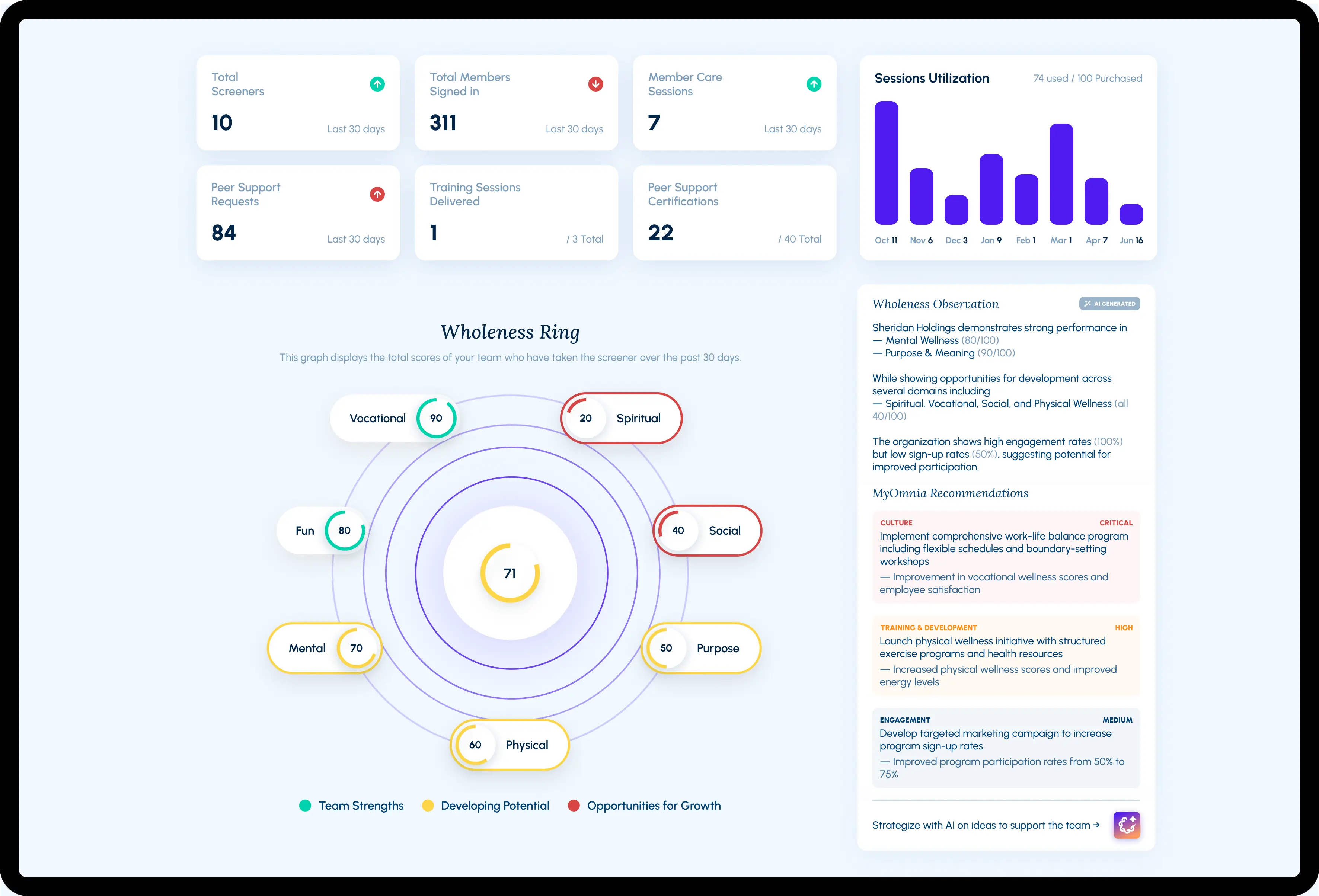
A strong worksite wellness program often includes:
For employees, worksite wellness programs offer consistency and clarity. They know where to turn for help and feel encouraged to use available resources.
For organizations, these programs reduce absenteeism, improve morale, and strengthen engagement. According to the Centers for Disease Control and Prevention, comprehensive workplace health programs are associated with reduced healthcare costs, lower absenteeism, and improved productivity.
Why Health and Wellness in the Workplace Matters

Health and wellness in the workplace is no longer optional. It directly impacts business performance and long-term sustainability. Organizations that prioritize workplace well-being experience:
- Lower burnout and stress-related absences
- Improved employee morale and job satisfaction
- Higher productivity and engagement
- Stronger retention and employer branding
- Better team collaboration and trust
Gallup research consistently shows that employees who feel cared for at work are significantly more likely to be engaged. Engagement, in turn, drives performance, customer satisfaction, and profitability.
Health and wellness in the workplace also strengthens organizational resilience. When employees have coping tools and support systems, they are better equipped to navigate change, uncertainty, and high-pressure periods.
How MyOmnia Health Supports Workplace Wellness
MyOmnia Health takes a comprehensive approach to organizational wellness by addressing the whole person, not just symptoms or short-term challenges.
Their services include:
- Workplace Wellbeing Programs
Customized programs designed to support mental, emotional, and physical health across the employee lifecycle.
- Mental Health and Wellness Services
Evidence-informed services that promote resilience, stress management, and emotional regulation, and early identification of psychological risk.
- Wholeness-Based Consulting
Strategic wellbeing consulting that aligns wellness initiatives with organizational values, culture, and goals.
- Employee Assistance Program (EAP)
Confidential EAP services offering professional support for personal, family, and work-related challenges.
- Custom Wellness Strategies
Tailored solutions that reflect industry-specific needs, workforce demographics, and business objectives.
- Psychological Safety
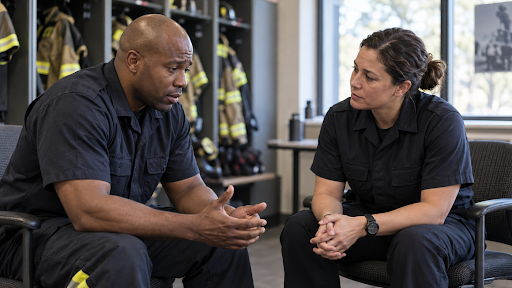
Work environments should support psychological safety, enabling employees to voice concerns, seek support, and disclose challenges without fear of stigma or retaliation.
By integrating these services, MyOmnia Health helps organizations move beyond surface-level wellness efforts, creating environments where employees can thrive and organizations can succeed.
Best Practices for Building Effective Wellness Programs
Organizations looking to strengthen their worksite wellness programs should focus on these proven practices:
Leadership Involvement
When leaders model healthy behaviors and openly support well-being, employees feel safer engaging with wellness resources.
Regular Wellbeing Assessments
Ongoing assessments help identify emerging risks and ensure programs remain relevant.
Accessible Mental Health Resources
Employees should know how and where to access support without stigma or complexity.
Ongoing Communication and Education
Wellness initiatives should be communicated clearly and reinforced consistently.
Cultural Integration
Well-being should be embedded into policies, performance conversations, and daily workflows, not treated as an add-on.
Conclusion
Investing in mental wellness in the workplace is not a passing trend but a clinically and economically supported strategy for sustainable organizational performance. It is a strategic imperative that drives engagement, productivity, and retention. By embracing employee wellness initiatives and worksite wellness programs, organizations can create environments where people thrive, leading to sustainable success.
Take proactive steps today. Assess your current strategies and identify areas for improvement. Partner with experts to build resilient teams.
Ready to strengthen your workplace wellbeing strategy? Partner with MyOmnia Health to learn more and start your journey toward holistic workplace wellness.
References
- Moodle. (2025, January 28). Over half of American employees have used AI to take workplace training, according to new data. Moodle. https://moodle.com/us/news/ai-for-workplace-training-in-america/ Moodle
- Workplace Change Collaborative. (2023). 2023 Work in America Survey [American Psychological Association data]. WPChange. https://www.wpchange.org/resources/2023-work-in-america-survey wpchange.org
- Centers for Disease Control and Prevention. (2024, July 15). CDC Workplace Health Model. CDC. https://www.cdc.gov/workplace-health-promotion/php/model/index.html CDC
- Gallup. (n.d.). What Is Employee Wellbeing and Why Is It Important? Gallup. https://www.gallup.com/workplace/404105/importance-of-employee-wellbeing.aspx.aspx
Frequently Asked Questions
Q: What is mental wellness in the workplace?
Mental wellness in the workplace refers to employees’ emotional, psychological, and social well-being at work, including how they manage stress, relationships, and performance.
Q: Why are employee wellness initiatives important?
Employee wellness initiatives support engagement, reduce burnout, improve retention, and contribute to a healthier workplace culture.
Q: How do worksite wellness programs benefit organizations?
Worksite wellness programs provide structure, consistency, and measurable outcomes that improve productivity, morale, and resilience.
Q: What role does an EAP play in workplace wellness?
EAP services offer confidential support for personal and professional challenges, helping employees manage stress and maintain well-being.
Q: Can MyOmnia customize wellness programs for different industries?
Yes. MyOmnia Health designs tailored wellness strategies aligned with industry needs, workforce dynamics, and organizational goals.

.png)






.png)