
.png)


Mental health in the fire service is crucial to overall safety and effectiveness in defending our communities. About 40% of career firefighters experience mental health issues like anxiety and depression due to the harsh conditions of their work. (Gibbs et al., 2025)
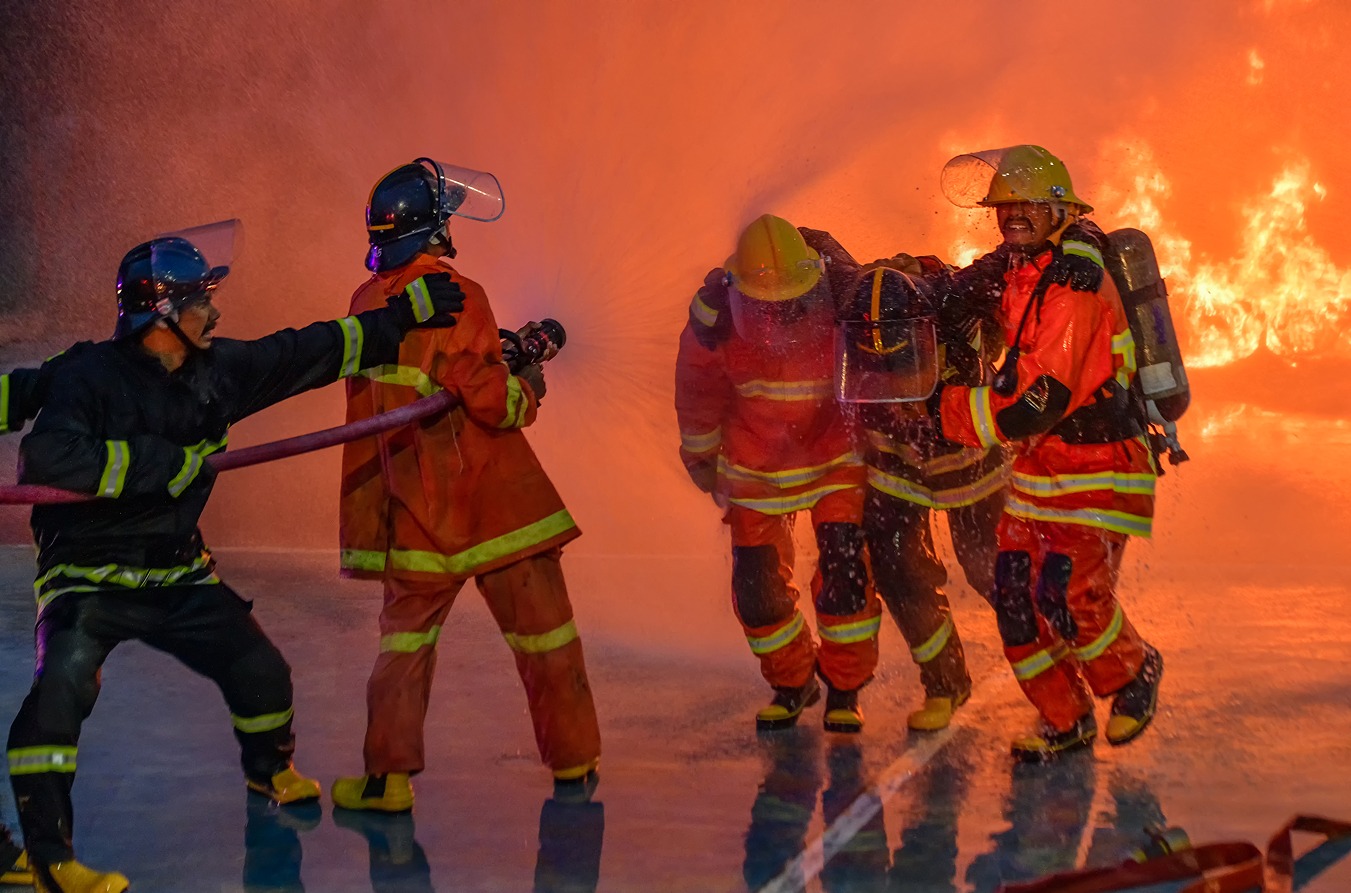
Firefighters deal with unique stressors, including witnessing traumatic events such as fatal accidents or building collapses and working long shifts and struggling with sleep. Firefighters are frequently under tremendous pressure to save lives, and the psychological effects of their work are often ignored, unspoken, and untreated.
This blog explores mental health in the fire service, the realities of firefighter mental illness, and how fire department peer support programs combined with structured wellness measurement can create meaningful, lasting change.
Understanding Firefighter Mental Illness
Firefighter mental illness refers to a range of disorders brought on by the demanding nature of the job. Early detection have a big impact on prevention and recovery.
- Post-traumatic stress disorder (PTSD): Recurrent traumatic calls can cause intrusive memories, emotional numbness, and increased alertness.
- Depression: Persistent low mood, fatigue, irritability, or loss of motivation.
- Anxiety disorders: Ongoing worry, restlessness, or panic attacks associated with stressful situations.
Substance use issues: Use of alcohol or substances to cope with stress or sleep disruption - Burnout: Chronic stress-related emotional exhaustion and decreased job satisfaction
The root causes of firefighter mental illness frequently stem from repeated trauma exposure, irregular shift work, and unrelenting job stress. Firefighters are routinely in chaotic, high-stakes environments, leading to chronic stress that predisposes them to mental health risks.
Mental Health Challenges in the Fire Service
Stigma is still one of the biggest obstacles to addressing mental health in the fire service. Many remain silent out of fear of coming across as weak or having their careers ruined. Others include scheduling conflicts that make getting care challenging and mental health professionals' ignorance of firefighter culture.
When mental health challenges go unaddressed, the effects extend beyond the individual firefighter:
- Reduced focus and decision-making under pressure
- Increased risk of on-the-job errors and injuries
- Strained relationships within teams and families
- Higher rates of burnout, absenteeism, and turnover
Addressing these challenges is essential for individual well-being but also for crew safety, operational effectiveness, and long-term sustainability in the fire service.
Fire Department Peer Support Programs
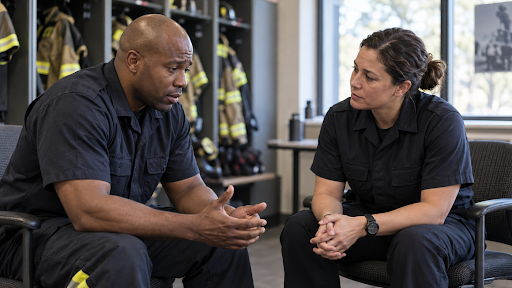
Fire department peer support programs offer confidential, non-clinical support with structured and supportive conversations grounded in shared experience to firefighters facing mental health struggles.
Peer-to-peer support builds trust, reduces stigma, and improves emotional well-being by enabling firefighters to discuss their experiences in a secure setting, promoting resilience, and strengthening team ties and coping mechanisms. Departments that implement these initiatives report improved performance and decreased absenteeism. (Hawthorne, 2025).
Effective peer supporters are carefully selected and trained to:
- Listen without judgment and maintain confidentiality
- Recognize warning signs of distress or crisis
- Provide emotional support while respecting boundaries
- Connect firefighters to professional resources when needed
Well-designed fire department peer support programs depend on professional mental health services integration, training, and accountability with professional mental health services to ensure meaningful and lasting impact.
Integrating Peer Support With Professional Care
Peer support programs serve as the safe space for firefighters dealing with stress or emotional strain. Firefighters are more likely to have open discussions with their peers because they feel comfortable and unthreatened. Early support can reduce isolation, normalize emotional reactions, and prevent concerns from worsening.
Peer support is not a substitute for clinical treatment, but strong programs include clear referral pathways to licensed mental health professionals who understand the fire service. Peer supporters, clinicians, and leadership work together to ensure continuity of care while maintaining confidentiality.
Integrating peer support with professional services strengthens trust, improves outcomes, and creates a comprehensive mental health framework that truly supports firefighters over the long term.
Measuring and Improving Firefighter Mental Wellness
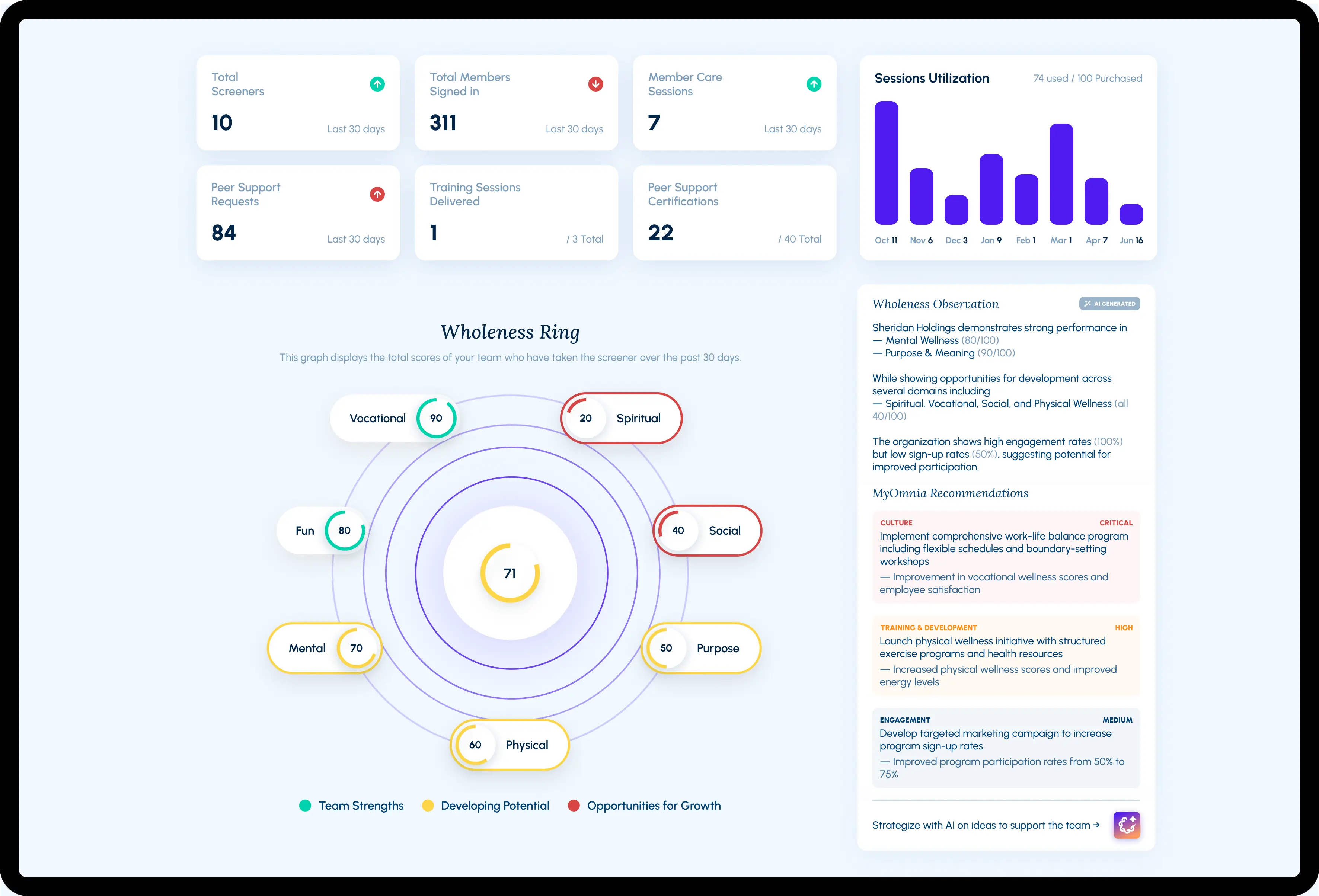
Measuring firefighter mental wellness helps departments move from reactive support to proactive. Anonymous feedback tools give a safe way to share how firefighters are really doing. Surveys and wellness check-ins help to identify stress levels, burnout risk, and gaps in support without fear of judgment or career impact.
Wellness data allows departments to see patterns rather than isolated issues. When used responsibly, this information can:
- Highlight areas where peer support is most needed
- Improve training for peer supporters
- Guide leadership decisions and resource allocation
- Track the effectiveness of mental health initiatives over time
By using data to strengthen peer support programs, mental wellness efforts remain responsive, credible, and aligned with the real needs of firefighters. Organizations like MyOmnia Health emphasize evidence-based wellness measurement to support sustainable mental health strategies within high-risk professions.
Conclusion
Mental health initiatives in the fire service are long-term commitments that protect lives, careers, and communities. Addressing firefighter mental illness, investing in fire department peer support programs, and using structured wellness data are essential steps toward a healthier, more resilient fire service.
Fire departments are encouraged to take a proactive approach by implementing ongoing training, creating anonymous channels for feedback, and ensuring care is well integrated. When mental health in the fire service is treated as a priority, we recognize the commitment firefighters make every day and help ensure they receive the support they truly deserve. For additional wellness resources, visit MyOmnia Health.
FAQs
Q: Why is mental health in the fire service such a critical issue?
Firefighters face repeated trauma, sleep disruption, and high-stress environments that increase the risk of mental health conditions over time.
Q: What types of firefighter mental illness are most common?
PTSD, depression, anxiety, substance use disorders, and chronic stress are common among firefighters.
Q: How do fire department peer support programs help?
Peer support programs provide confidential, peer-based emotional support, reduce stigma, and encourage early help-seeking.
Q: Are peer support programs a replacement for therapy?
No. Peer programs are a first line of support and work best when integrated with professional mental health care.
Q: How can departments measure mental wellness effectively?
Through anonymous surveys, structured assessments, and data-driven program evaluation that protect confidentiality and trust.

.png)





.png)