
.png)


Introduction: Stress Doesn’t Break You Overnight.
In real-world environments, especially high-pressure roles, people rarely break from one moment. They wear down gradually, one interaction at a time, one decision at a time, or one suppressed emotion at a time.
Police work involves a high number of critical incidents over the course of their careers; that is far more than the typical person experiences in an entire lifetime. Each call, each scene, each moment of emotional suppression adds another invisible layer.
The real threat is not a single traumatic event. It is the accumulation of invisible stress that builds quietly, shift after shift, until it begins to affect performance, emotional stability, and long-term well-being.
What Is Micro-Trauma?
Micro-trauma refers to the cumulative effects caused by frequent exposure to operational stressors over time. It reflects ongoing encounters with distress, conflict, and high-pressure decisions that may seem manageable individually but build over time.
This aligns with established concepts like cumulative stress and allostatic load, where continuous exposure gradually strains the body and mind, as highlighted in research on first responders.
It is not the dramatic, one-time event that meets PTSD criteria. It is a subclinical, cumulative stress that often goes unnoticed due to the absence of a single identifiable event. In high-stakes roles, it shows up as the hundredth child abuse call, the routine domestic that still leaves a mark, or the split-second decisions that demand perfection with zero margin for error.
The Hidden Accumulation Effect
Small stressors do not vanish when the shift ends; instead, they compound. Repeated exposure keeps the nervous system in a low-grade fight-or-flight state. Over time, this process leads to allostatic load, the biological wear-and-tear that manifests in symptoms eerily similar to burnout and fatigue.
It is often unnoticed. There is no triggering “event” that screams for attention. No dramatic breakdown forces intervention. Leaders see an officer who seems “fine” until performance slips, errors rise, or resignation letters appear. Invisible stress equals unmanaged risk, and in life-saving professions, that risk extends far beyond the individual.
Understanding the Spectrum: From Micro-Trauma to Burnout
One of the most overlooked gaps in current discussions is the lack of a clear progression model.
- Micro-Trauma: Subtle, repeated exposures build quietly.
- Secondary Traumatic Stress (STS): The nervous system begins mimicking PTSD symptoms from indirect exposure.
- Compassion Fatigue: Empathy erodes as a protective response.
- Burnout: Full emotional, physical, and motivational collapse
Secondary traumatic stress symptoms include intrusive thoughts about others’ trauma, hypervigilance, emotional distress, avoidance behaviors, and sleep disruption. STS mimics PTSD even though the responder may not have directly experienced the event.
Compassion fatigue, often called “the cost of caring,” brings reduced empathy, emotional numbness, and detachment from the people you serve. Burnout appears as a broader state of exhaustion from chronic workplace stress, reduced performance, and cynicism that can strike any profession.
Compassion Fatigue vs Burnout
Compassion fatigue is rooted in emotional exposure to others’ suffering. While burnout is rooted in how work itself is structured and sustained.
Why High-Stress Professions Are Most at Risk
First responders, healthcare workers, and crisis teams face continuous trauma exposure, an emotional suppression culture, and precious little recovery time between calls. Studies show First responders have markedly higher PTSD rates than the general population.
The same traits that make these professionals exceptional, resilience, empathy, and a drive to serve, also make them vulnerable when organizations treat mental health as an afterthought.
The Invisible Symptoms Leaders Miss
Early micro-trauma signals often look like “bad days”: irritability, emotional detachment, and reduced patience with colleagues or citizens. Advanced symptoms include disruptions in sleep, anxiety, hyper-vigilance, and cognitive fatigue that puts pressure on judgment.
These patterns represent PTSD and burnout, yet they are considered just part of the job. Leaders who don't recognize these patterns will eventually find higher error rates, decision-making fatigue, and higher rates of employee turnover.
Why Most Interventions Fail
Most interventions in the workplace are designed to address visible symptoms. Examples include burnout programs, wellness days, and other various types of reactive support systems that are put into practice after the performance or the issue has been so poor that it is evident.
Micro-trauma is gradual, normalized, and rarely reported. Systems respond too late, after performance has already declined and lives are at stake. This is why many well-intentioned interventions fail because they address outcomes.
How to Deal with Compassion Fatigue
At an individual level, managing compassion fatigue requires intentional recovery and boundaries.
Individual-level strategies that work:
- Set firm boundaries around work exposure and debriefing time.
- Build daily recovery routines: quality sleep, deliberate decompression, and physical activity.
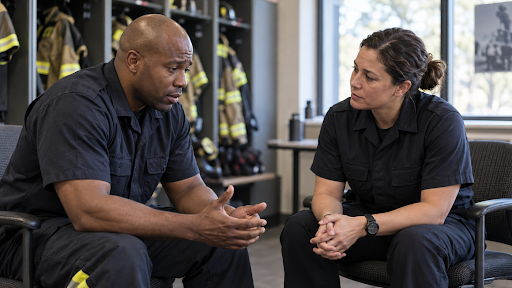
- Seek therapy or peer support groups specifically trained in trauma.
Evidence shows that targeted coping strategies and strong support systems significantly reduce the impact of secondary traumatic stress and compassion fatigue.
How to Deal with Employee Burnout
Individual steps:
- Increase stress awareness through simple daily check-ins.
- Prioritize recovery habits outside of work.
Organizational actions:
- Reduce exposure load through smarter scheduling and rotation policies.
- Build genuine psychological safety so people can speak up early.
- Normalize mental health support as a performance tool.
When systems ignore stress accumulation, burnout becomes inevitable. Burnout is not just personal, it is structural. Organizations that treat it as such see measurable drops in errors and turnover.
The Shift: From Awareness to Prevention
Today there’s a lack of early detection, ongoing tracking, and role-specific assistance via day-to-day work responsibilities. A proactive mental health care delivery system dedicated to treating the accumulated effects of micro-trauma with equal importance to the provision of physical safety policies is effective. Stopping enough accumulation at the micro-level will prevent burnout from occurring at all.
Conclusion: The Most Dangerous Stress Is the One You Don’t See
Micro-trauma operates silently. Traditional models ignore early-stage stress. By the time burnout appears, the damage is already done. It is the result of prolonged, unmanaged stress that went unnoticed for too long.
Organizations must move from reacting to burnout to preventing stress accumulation at the micro level. The lives you save include your own team’s. Because the real risk is not the moment things fall apart. It is everything that happens before that moment, unnoticed.

.png)






.png)