
.png)


In today’s high-pressure workplaces, stress and emotional fatigue aren’t just personal struggles; they’re organizational challenges with measurable psychological, economic, and health-related consequences. According to the World Health Organization (2024), burnout is now recognized as an occupational phenomenon linked to chronic, unmanaged workplace stress, and the global economy loses roughly $1 trillion per year in lost productivity due to depression and anxiety (Martinez et al., 2025).
The reality is that productivity is strongly mediated by psychological safety, emotional regulation capacity, and perceived organizational support. When an organization faces a crisis, be it a sudden structural shift, the loss of a colleague, or sustained exposure to high-stakes demands, the human "operating system" doesn't just need a reboot; it needs psychological containment, meaning-making, and guided recovery to prevent maladaptive stress responses. This is where the intersection of critical stress debriefing and mental health coaches becomes the backbone of a resilient company culture.
Enter MyOmnia Health, a leading wellness provider whose mission is to transform workplace well-being through evidence-based strategies, wholeness-focused consulting, and Employee Assistance Program (EAP) support.

What Is Critical Stress Debriefing?
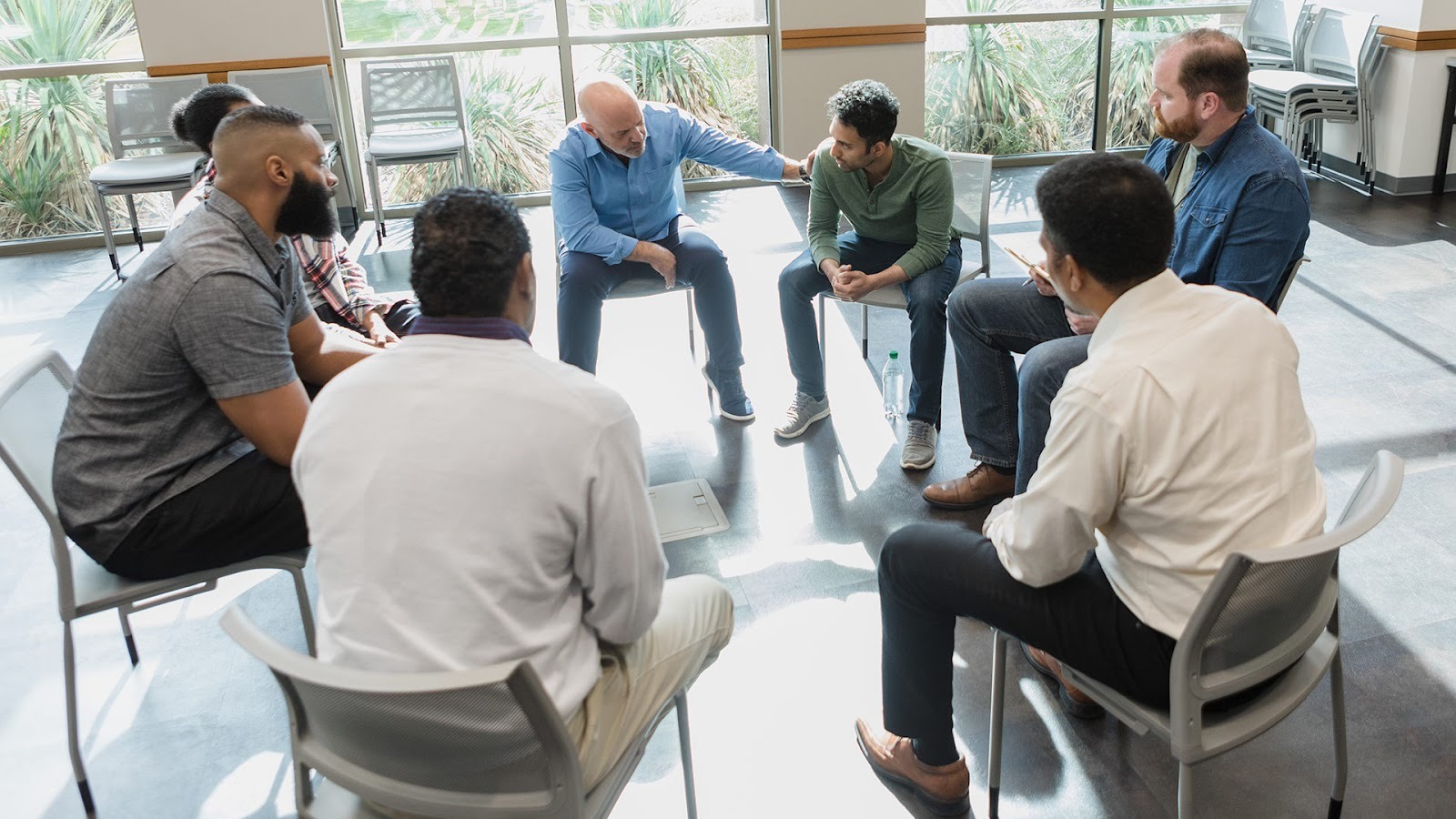
Critical stress debriefing is a structured facilitator-led process designed to help employees reflect on and normalize reactions to high-stress workplace events when participation is voluntary and the intervention is adapted to context and timing.
Its purpose is to provide a safe environment where emotions can be expressed, acute stress reactions can be normalized, and adaptive coping strategies can be identified, not forced or prematurely processed.
Organizations typically use critical stress debriefing after incidents such as workplace accidents, sudden employee loss, crises, or other high-pressure situations. The goal is to reduce acute distress and support short-term emotional stabilization while monitoring for individuals who may require additional clinical support. CSD allows individuals and teams to:
- Express emotions in a safe and confidential setting
- Understand normal stress reactions
- Identify coping strategies
- Reduce the risk of long-term psychological harm
- Identify individuals who may need referral to higher-level mental health care
By addressing stress promptly, critical stress debriefing helps employees regain focus, reduce anxiety, and maintain performance. In high-pressure workplaces like healthcare, emergency response, or corporate environments facing constant deadlines, it becomes an essential tool for resilience and sustained productivity.
Understanding the Role of Mental Health Coaches
Mental health coaches are trained professionals who guide employees in managing stress, building resilience, and improving overall well-being within non-clinical, goal-oriented scopes of practice. Unlike therapists or counselors, their focus is on proactive growth and performance rather than treating diagnosed mental health conditions.
In a world where 77% of Americans report work-related stress monthly and 57% experience burnout, coaching may help address subclinical stress, role strain, and performance-related distress, filling the gap between everyday wellness tools and intensive care. It drives early engagement, increases confidence, and renews purpose, making it ideal for preventing emotional overload. (SelectSoftwareReviews, 2025)
How Critical Stress Debriefing & Mental Health Coaching Work Together
Critical stress debriefing and mental health coaching complement each other to provide both immediate and long-term support for employees. While debriefing addresses acute post-incident stress reactions, coaching focuses on building resilience and sustaining well-being after initial stabilization has occurred.
Key Benefits of Combining Both Approaches:
- Immediate crisis recovery: Debriefing helps employees process trauma and regain emotional stability right after high-stress incidents.
- Long-term resilience: Mental health coaches equip employees with tools to manage stress, adapt to challenges, and maintain productivity.
- Psychologically safe workplaces: Together, they foster an environment where employees feel supported and confident to share concerns.
- Reduced burnout and absenteeism: Proactive support minimizes emotional overload, helping teams stay engaged and healthy.
- Improved team dynamics: Regular coaching and debriefing enhance communication, collaboration, and overall morale.
Integrating these strategies ensures that organizations don’t just respond to crises, they prevent long-term burnout and cultivate a thriving, resilient workforce.
What MyOmnia Health Provides
The support MyOmnia Health provides goes beyond traditional wellness programs. Their integrated approach ensures employees receive comprehensive care, both during crises and as part of ongoing development.
Core Services Offered:
- Workplace well-being programs: Holistic strategies to manage stress, enhance mindfulness, and improve overall employee wellness.
- Mental health coaching: Personalized guidance to build resilience, regulate stress, and achieve professional and personal goals.
- Critical stress debriefing support: Structured sessions to process traumatic or high-stress events safely and effectively.
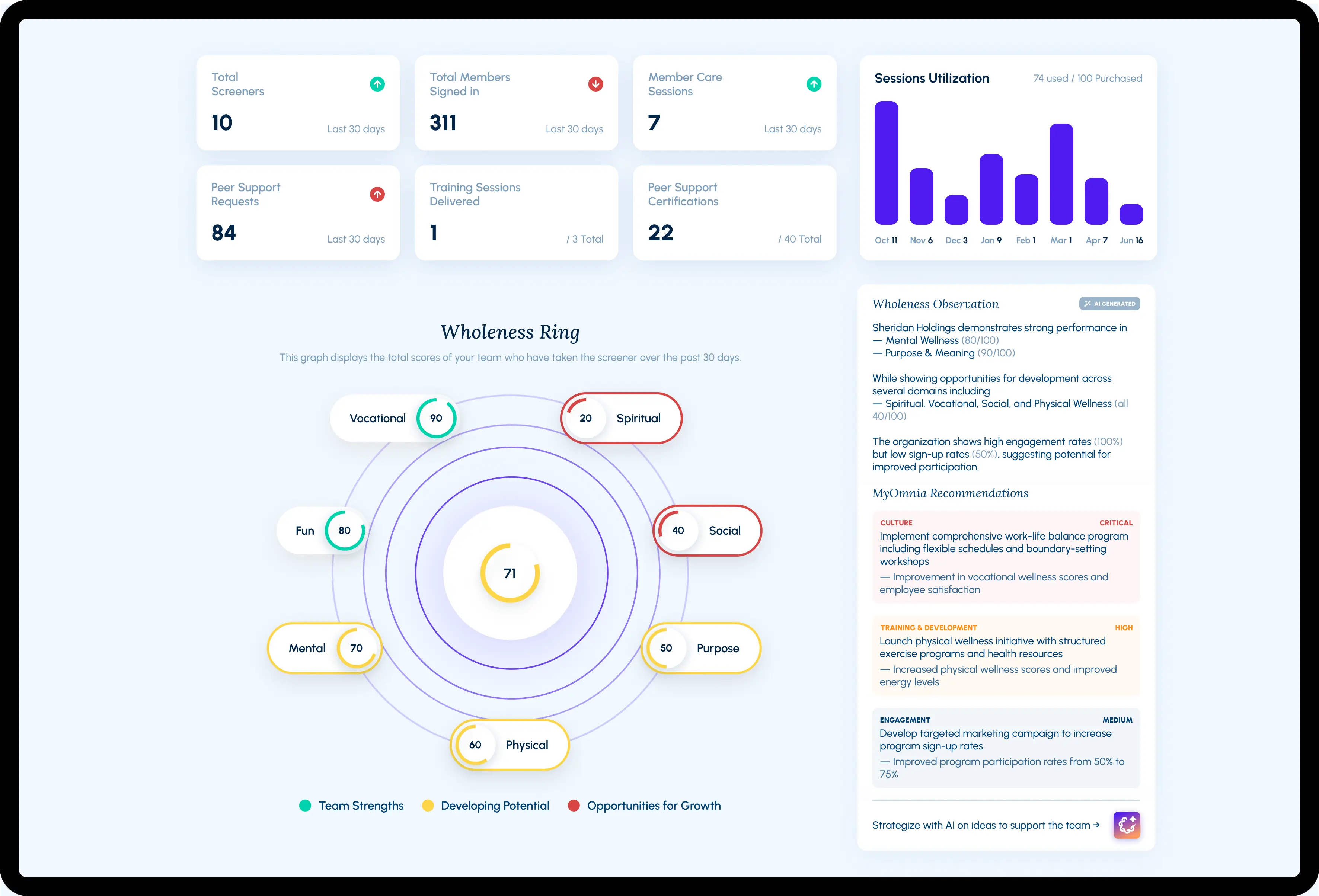
- Wholeness-based consulting: Organizational strategies to promote psychological safety, engagement, and a culture of support.
- Employee Assistance Program (EAP): Confidential counseling for personal or professional challenges.
- Trauma-informed response and crisis recovery: Immediate interventions that are research-backed and sensitive to emotional needs.
By combining these services into a single, cohesive model, MyOmnia supports holistic employee well-being, ensuring that individuals and teams are not only resilient but also empowered to thrive in their workplace.
Why Organisations Need These Services
With employee burnout on the rise 82% at risk in 2025, organizations can't afford to overlook proactive support. Rising emotional fatigue stems from heavy workloads 35% and work-life imbalance (34%), harming retention, morale, and productivity (Cariloop, 2025).
Critical stress debriefing and mental health coaches prevent long-term psychological harm by addressing issues early, benefiting leaders with more resilient teams and employees with greater stability.
These services have a direct impact on retention, morale, and productivity. Organizations that prioritize mental well-being experience lower turnover, stronger team cohesion, and improved performance.
Beyond employees, leadership benefits too. Managers gain insights into trauma-informed practices, communication strategies, and techniques to foster a psychologically safe work environment. This creates a win-win: healthier, happier employees and more effective, confident leaders.
Implementation: How Companies Can Integrate These Supports
Integrating mental health coaches and critical stress debriefing into the workplace doesn’t have to be complicated. With clear strategies, organizations can create sustainable, supportive environments for employees.
Normalize the Conversation:
Use town halls to talk about mental health. When leaders share their own challenges, it grants the team permission to be human.
Embed Coaches into Teams:
Don't wait for a crisis. Make sessions with mental health coaches a standard part of professional development.
Establish a "Post-Incident Protocol":
Have a contract in place for critical stress debriefing so that it follows trauma-informed, non-compulsory, and evidence-aligned guidelines, allowing action within the 24–72 hour window when appropriate.
Train Leaders on Trauma Awareness:
Give your managers the tools to recognize the early signs of emotional fatigue.
Audit Your EAP:
Is your current program actually being used? If the engagement is low, it’s likely because it lacks the humanized touch that MyOmnia Health provides.
When implemented consistently, these strategies transform workplace well-being from a reactive measure into a foundational part of organizational success.
Conclusion
Critical stress debriefing addresses acute emotional response needs, while mental health coaches cultivate long-term resilience and productivity. Together, they form a comprehensive framework for workplace well-being.
The support MyOmnia Health provides ensures that employees receive structured, compassionate, and evidence-based care from crisis response to wholeness consulting. Organizations investing in these services see not only healthier, happier employees but also stronger teams, enhanced performance, and a more sustainable work environment.
For leaders committed to creating psychologically safe and resilient workplaces, partnering with MyOmnia Health is a strategic step toward holistic employee care.
References
- World Health Organization. (2024, September 2). Mental health at work. World Health Organization. https://www.who.int/news-room/fact-sheets/detail/mental-health-at-work World Health Organization
- Martinez, M. F., et al. (2025). The health and economic burden of employee burnout to U.S. employers [Abstract]. American Journal of Preventive Medicine. https://www.ajpmonline.org/article/S0749-3797(25)00023-6/abstract
- SelectSoftwareReviews. (2025). 81+ troubling workplace stress statistics. SelectSoftwareReviews. https://www.selectsoftwarereviews.com/blog/workplace-stress-statistics selectsoftwarereviews.com
- Cariloop. (2025). Workplace burnout in 2025: 3 trends every employer should look out for. Cariloop. https://cariloop.com/blog/workplace-burnout
FAQs
Q: What is critical stress debriefing?
Critical stress debriefing is a structured facilitator-led process designed to help employees reflect on and normalize reactions to high-stress workplace events when participation is voluntary and the intervention is adapted to context and timing.
Q: What is the difference between mental health coaching and therapy?
Mental health coaching focuses on proactive growth, stress management, and resilience-building, while therapy addresses diagnosed mental health conditions and emotional disorders.
Q: When should critical stress debriefing be conducted?
CSD is most effective immediately or shortly after a high-stress incident, trauma, or organizational crisis.
Q: How can MyOmnia Health support small organizations?
MyOmnia offers scalable wellness programs, coaching, and EAP support tailored to organizations of any size.
Q4. Are these services confidential?
Yes, all interventions, including CSD and EAP counseling, are conducted in strict confidence.

.png)






.png)