
.png)



In high-stakes environments like healthcare, public service, and safety-critical operations, leaders often pride themselves on spotting operational risks early. Yet many miss the subtle psychological signals that precede full-scale employee burnout.
The hard truth is that most organizations do not notice the problem until a valued employee is already gone, already struggling, or already in crisis. By then, the human, operational, and financial costs are far greater than they ever needed to be.
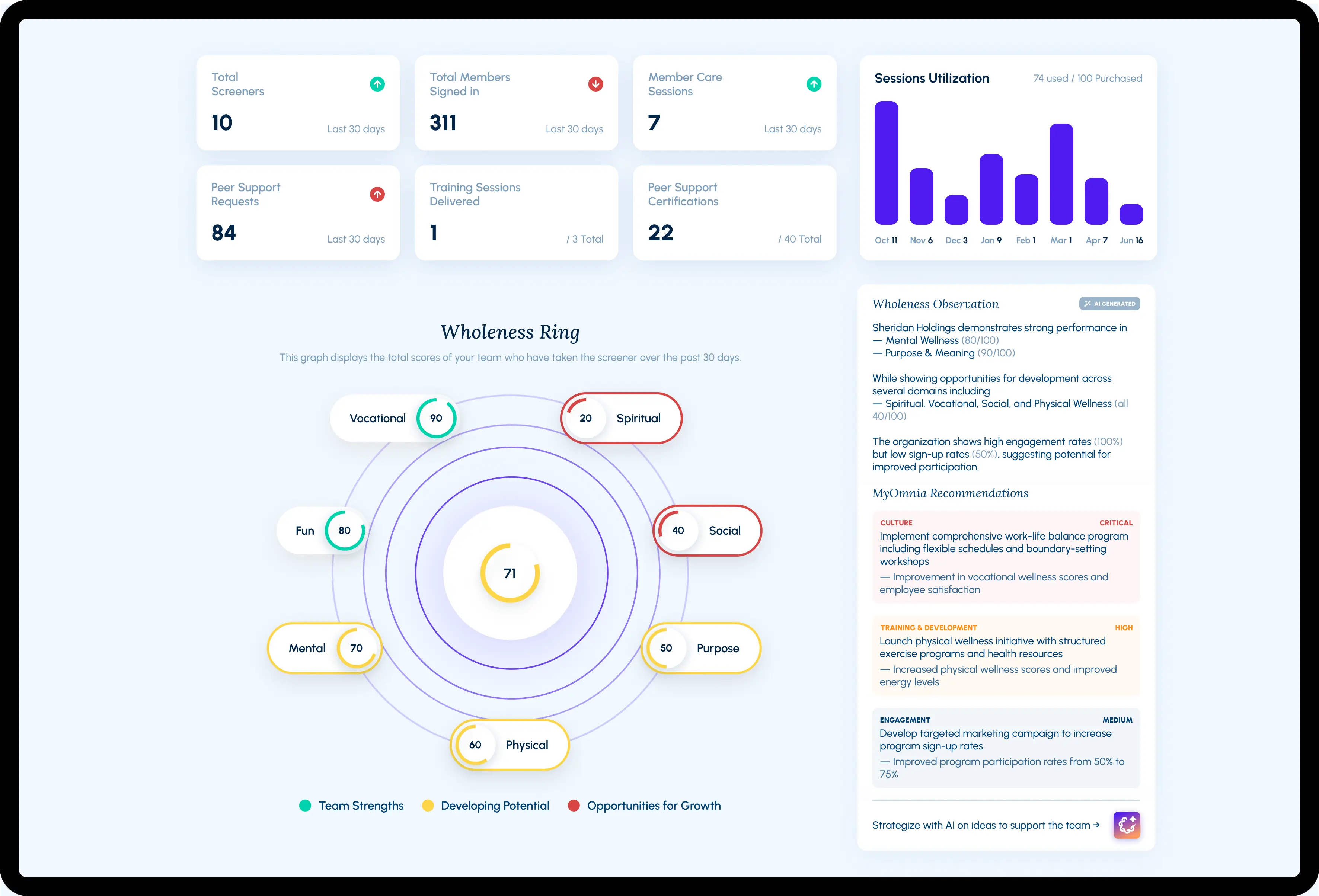
Workforce wellness is not a ping-pong table in the break room. It is not a one-off mental health webinar in May. It is a deliberate, ongoing organizational strategy built on one core idea: catch the warning signs before they become a crisis.
What Workforce Wellness Actually Means
Most people hear "workforce wellness" and picture gym memberships or step-count competitions. The reality is far more substantive.
True workforce wellness is the integration of physical, psychological, and organizational health into the everyday culture and structure of a workplace. To establish environments that allow employees to be productive, recover from stress, and feel safe enough to discuss issues.
Companies in the United States spend over $300 billion a year on workplace stress due to decreased productivity, increased absenteeism, employee turnover, and healthcare costs.
Companies can achieve benefits by providing employees with a better experience regarding their performance, as well as providing support for recovery from stress, thereby allowing them to be more successful and engaged. This approach to workforce wellness allows organizations to focus on preventing crises rather than responding to them.
Early Signs of Employee Burnout Organizations Miss
Burnout from work takes several months before someone has established a pattern of being burned out. Early detection of these issues will help organizations prevent them from escalating into larger problems.
The following is a list of burnout that organizations regularly fail to identify.
Behavioral Shifts
- Increased absenteeism or "presenteeism" (being physically present but mentally checked out)
- Withdrawing from team conversations or collaborative tasks
- Decreased quality of work without an obvious explanation
- Difficulty making routine decisions
Interpersonal Changes
- Shorter tempers, heightened irritability, or frequent conflicts with colleagues
- Emotional detachment from work that once felt meaningful
- Cynical comments about the organization, leadership, or clients
Physical Indicators
- Frequent minor illnesses (headaches, digestive issues, fatigue)
- Consistent complaints about sleep disruption or chronic tiredness
- Visible tension or anxiety in high-pressure situations
Organizations that invest in peer support programs and regular psychological check-ins are far better positioned to catch these patterns early, before they compound.
Emotional Exhaustion vs. Physical Fatigue
"Emotional exhaustion is not just feeling tired. It is the depletion of one's emotional resources after prolonged exposure to demanding situations."
Emotional exhaustion is often confused with physical fatigue however they are quite different. While sleep or days off will usually restore physical fatigue, emotional exhaustion feels like an internal depletion where even the simplest interactions or decisions require great strength to accomplish.
Emotional exhaustion tends to manifest in jobs that require a high degree of continual empathy, decision-making with high stakes or repeated exposure to tragic or traumatic events. Healthcare providers, emergency responders and social workers are all experiencing that reality every day.
Organizations that provide behavioral health solutions and structured resources for mental health will be more prepared to help employees manage emotional exhaustion before it becomes more difficult for them to heal.
How Workplace Resilience Reduces Psychological Risk
Workplace resilience is the ability of individuals and teams to be able to adapt and become stronger due to challenges. Building workplace resilience proactively will also create a strong buffer against the risk of psychological challenges.
Strong resilience does not equal ignoring stress. It gives individuals the tools they need to effectively manage their requirements. Organizations that promote this through cultural norms, training, and peer support initiatives see higher recovery rates and sustained performance.
There are many ways to increase an employee’s resilience in the workplace:
- Promote open discussions about workload and mental load without any stigma.
- Provide access to behavioral health solutions and mental health coaching.
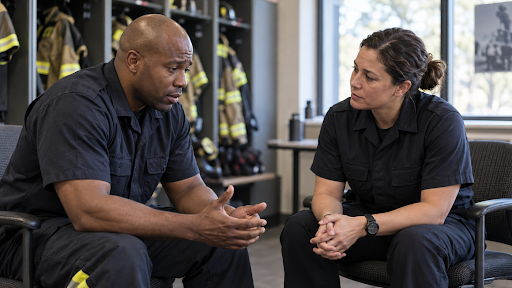
- Implement structured peer support systems, which are especially helpful for those in healthcare and public safety.
- Offer resilience training focused on stress management and emotional regulation.
- Regularly assess team dynamics and adjust demands to prevent overload.
Research indicates that resilience-oriented interventions improve well-being, engagement and decrease the symptoms of burnout in high-stress fields.

Why Proactive Mental Health Strategies Matter
The organizational argument for proactive workforce mental health strategies is straightforward: waiting until an employee reaches crisis level costs significantly more than preventing the crisis in the first place.
The Gallup State of the Global Workplace Report found that actively disengaged employees, many of whom are experiencing burnout, cost the global economy approximately $8.8 trillion in lost productivity annually.
Employees who feel psychologically safe, genuinely supported, and valued by their organizations are
- More likely to stay
- More likely to perform at a high level
- More likely to seek help early when they are struggling
- More likely to advocate for their organization externally
Proactive employee wellness resources and crisis prevention strategies are not just good HR policy. They are a competitive advantage, especially in industries where skilled talent is scarce and turnover is extraordinarily costly.
Benefits organizations experience include:
- Higher retention and lower recruitment costs.
- Improved productivity and fewer errors.
- Stronger team cohesion and morale.
- Reduced long-term healthcare and absenteeism expenses.
- Enhanced reputation as an employer that truly values its workforce.
Conclusion
The organizations that will lead their industries in the coming decade are not the ones that respond best to burnout. They are the ones that prevent it. By treating workforce wellness as a continuous, proactive organizational strategy, rather than a reactive damage-control effort, leaders can protect their most important asset: the people who do the work.
Workplace resilience is built before the crisis. Emotional exhaustion is identified before it becomes irreversible. Psychological risk is assessed before it escalates. That is what proactive workforce wellness looks like in practice.
If your organization is ready to move beyond reactive responses and build a culture of genuine psychological safety and early support, now is the time to explore what a structured, evidence-informed workforce wellness strategy can look like for your teams.

.png)






.png)