
.png)


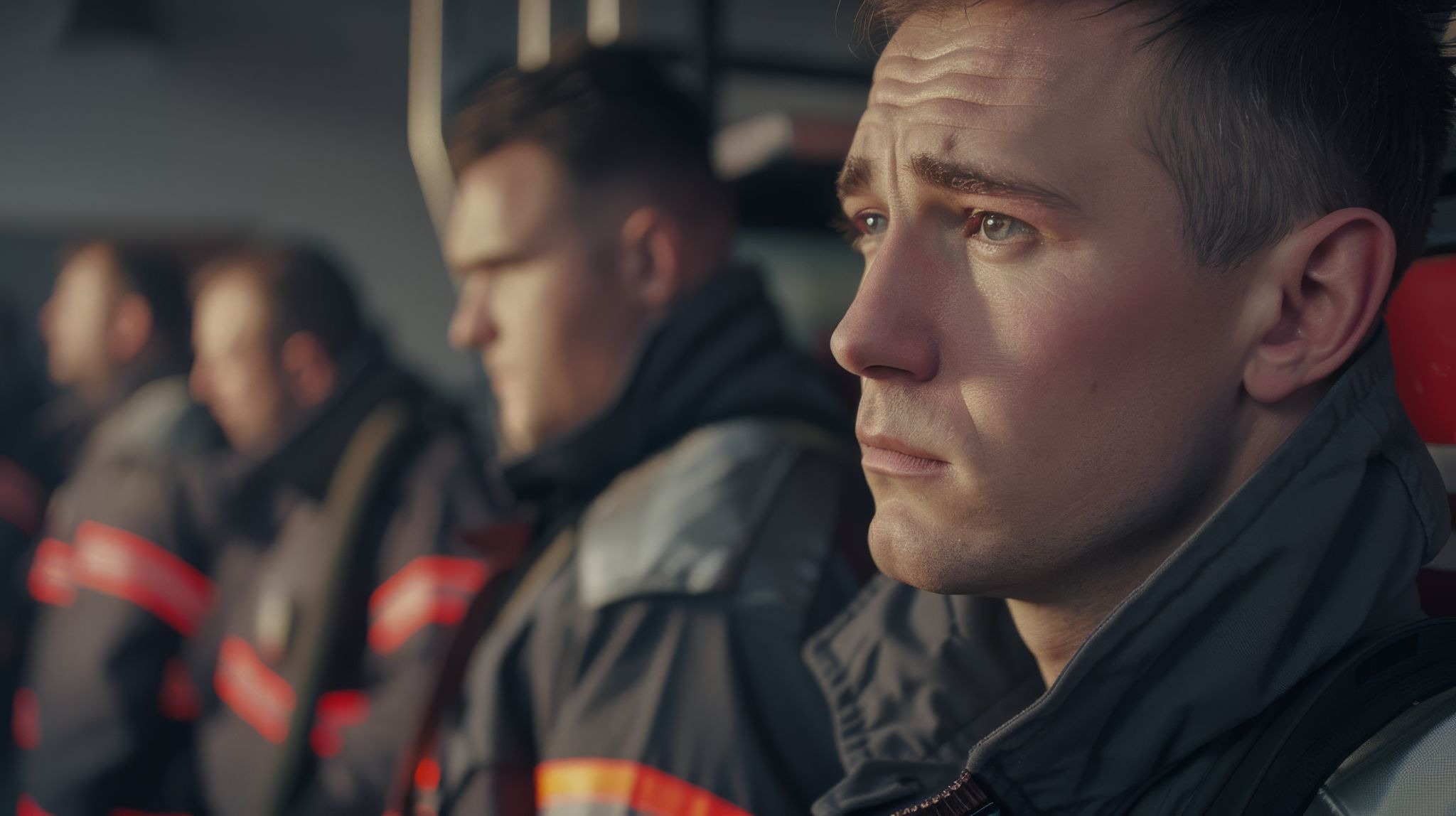
Twenty-five years can feel like a lifetime. It can also feel like no time at all.
For first responders who served at the World Trade Centre, the Pentagon, Shanksville, or in the long rescue, recovery, and cleanup efforts that followed, September 11 is not only a date in history. It may hold the memory of people lost, decisions made under impossible conditions, and experiences that changed the course of their lives.
As the 25th anniversary approaches, ceremonies, interviews, photographs, documentaries, and repeated footage will bring renewed national attention to that day. For some responders, remembrance may bring connection and pride. For others, it may also bring distress that is difficult to explain even after years of functioning well.
These responses are often called trauma anniversary reactions.
What Is a Trauma Anniversary Reaction?
A trauma anniversary reaction is an increase in emotional, physical, or behavioural distress around the date of a traumatic event. It can happen to people with or without a diagnosis of post-traumatic stress disorder.
A person may consciously recognize why they are struggling. Someone else may notice disrupted sleep, irritability, or a sense of dread before connecting those changes to the approaching anniversary. Trauma reminders can activate memories and stress responses even many years after the original event (National Center for PTSD, n.d.).
An anniversary reaction does not mean that a responder has failed to recover or has returned to where they started. It means that a meaningful date and everything surrounding it has brought the experience closer again.
Why the 25th Anniversary May Feel Different
Milestone anniversaries often receive more attention than the years between them. The 25th anniversary will likely include expanded media coverage, public commemorations, personal stories, and renewed discussion about the attacks and their aftermath.
For responders, the number itself may also bring reflection.
Some may think about the age they were on September 11, 2001, and how much of their life has passed since then. Retirement, illness, changes in family life, and the deaths of colleagues may alter how the event is understood. Some responders who focused on work and survival in the early years may now find that grief feels more present.
The passage of time does not affect everyone in the same way. A major longitudinal study of 12,822 World Trade Center responders found several patterns of PTSD symptoms across two decades. Although symptoms declined modestly overall after reaching their highest average level more than a decade after exposure, experiences varied considerably among responders. Approximately 10% continued to report elevated symptoms 20 years later, underscoring that recovery does not follow a single or uniform trajectory (Mann et al., 2025).
There is no expiration date on the impact of trauma, and there is no single timeline for recovery.
What Can Trigger an Anniversary Reaction?
The date itself is only one possible reminder. Reactions may be connected to:
- Television coverage or archival footage
- Images of the towers, Pentagon, or crash site
- Memorial ceremonies and moments of silence
- Sirens, alarms, aircraft, smoke, or certain odors
- Specific weather, light, or seasonal changes
- Conversations about where someone was that morning
- The names or photographs of people who died
- Reconnecting with former colleagues
- Physical health problems associated with 9/11 exposure
- Regret about attending or not attending a memorial event
Anticipation can also be a source of distress. A responder may begin worrying weeks beforehand about how they will feel, what questions people will ask, or whether they will be expected to speak publicly.
How Anniversary Reactions May Appear
There is no standard response. One person may want to attend every ceremony. Another may avoid all coverage. Both reactions may reflect an effort to manage the same painful memories.
Possible signs include:
- Intrusive memories, images, or dreams
- Difficulty falling or staying asleep
- Feeling unusually alert, tense, or easily startled
- Irritability or reduced patience
- Sadness, grief, guilt, or anger
- Trouble concentrating
- Headaches, fatigue, pain, or stomach discomfort
- Withdrawing from family, friends, or colleagues
- Avoiding memorials, conversations, or media coverage
- Increased alcohol or substance use
- Feeling emotionally numb or disconnected
- Worry that another attack may occur
These experiences do not automatically indicate PTSD or another mental health condition. The more important questions are how intense they are, how long they last, and whether they interfere with sleep, relationships, work, health, or safety.
Making Space for Remembrance Without Forcing It
There is no correct way to observe September 11.
Some responders may find meaning in attending a ceremony, visiting a memorial, speaking with former colleagues, volunteering, or spending time with family. Others may need privacy, distance from media, or a quiet day without questions.
Support begins by respecting that difference.
Telling someone to “focus on the positive” can close an important conversation. So can pressuring a responder to share memories because others find the story meaningful. A better approach is simple:
“I know this time of year may carry a lot. You do not have to talk, but I’m here if you want to.”
Responders can also prepare for the anniversary by noticing what has been difficult in previous years, deciding which events they want to attend, limiting repeated news exposure, and arranging support before distress increases. The National Centre for PTSD describes this approach as coping ahead, for example, choosing which events to attend, limiting media exposure, or arranging a check-in with a trusted person.
What Departments Can Do
Departments should not treat anniversary support as a single email sent on September 11. Preparation should begin in the weeks before the date and continue after public attention has moved on.
Meaningful support may include:
- Reminding personnel about confidential support options
- Offering voluntary wellness check-ins before and after the anniversary
- Preparing peer-support teams for increased outreach
- Allowing reasonable flexibility around ceremonies or media requests
- Training supervisors to recognize changes in sleep, mood, attendance, or alcohol use
- Avoiding mandatory personal disclosure during memorial activities
- Checking on retired personnel and others directly involved in the response
- Providing access to clinicians who understand first responder culture and trauma
The federal World Trade Centre Health Program continues to provide monitoring and treatment for eligible responders and survivors affected by the attacks. The program serves people connected to the World Trade Centre, Pentagon, and Shanksville response sites and operates through clinical centres and a nationwide provider network (Centers for Disease Control and Prevention, 2026).
Remembering the Person, Not Only the Service
The 25th anniversary is an opportunity to Honor courage and sacrifice. It is also a reminder that many responders have carried the consequences of that day quietly for decades.
Strength is not measured by whether someone remains unaffected. It may be found in recognizing a difficult season, accepting support, remembering those who were lost, and continuing forward without pretending the past no longer matters
References
Centers for Disease Control and Prevention. (2026, March 25). About the World Trade Center Health Program. https://www.cdc.gov/wtc/about.html
Mann, F. D., Waszczuk, M. A., Clouston, S. A. P., Feltman, S., Ruggero, C. J., Marx, B. P., Schwartz, J. E., Bromet, E. J., Luft, B. J., & Kotov, R. (2025). A 20-year longitudinal cohort study of post-traumatic stress disorder in World Trade Center responders. Nature Mental Health, 3(7), 789–802. https://doi.org/10.1038/s44220-025-00419-1
National Center for PTSD. (n.d.). Trauma reminders: Anniversaries. U.S. Department of Veterans Affairs. https://www.ptsd.va.gov/understand/what/anniversary_reactions.asp

.png)






.png)