
.png)


Introduction: The Illusion of Support
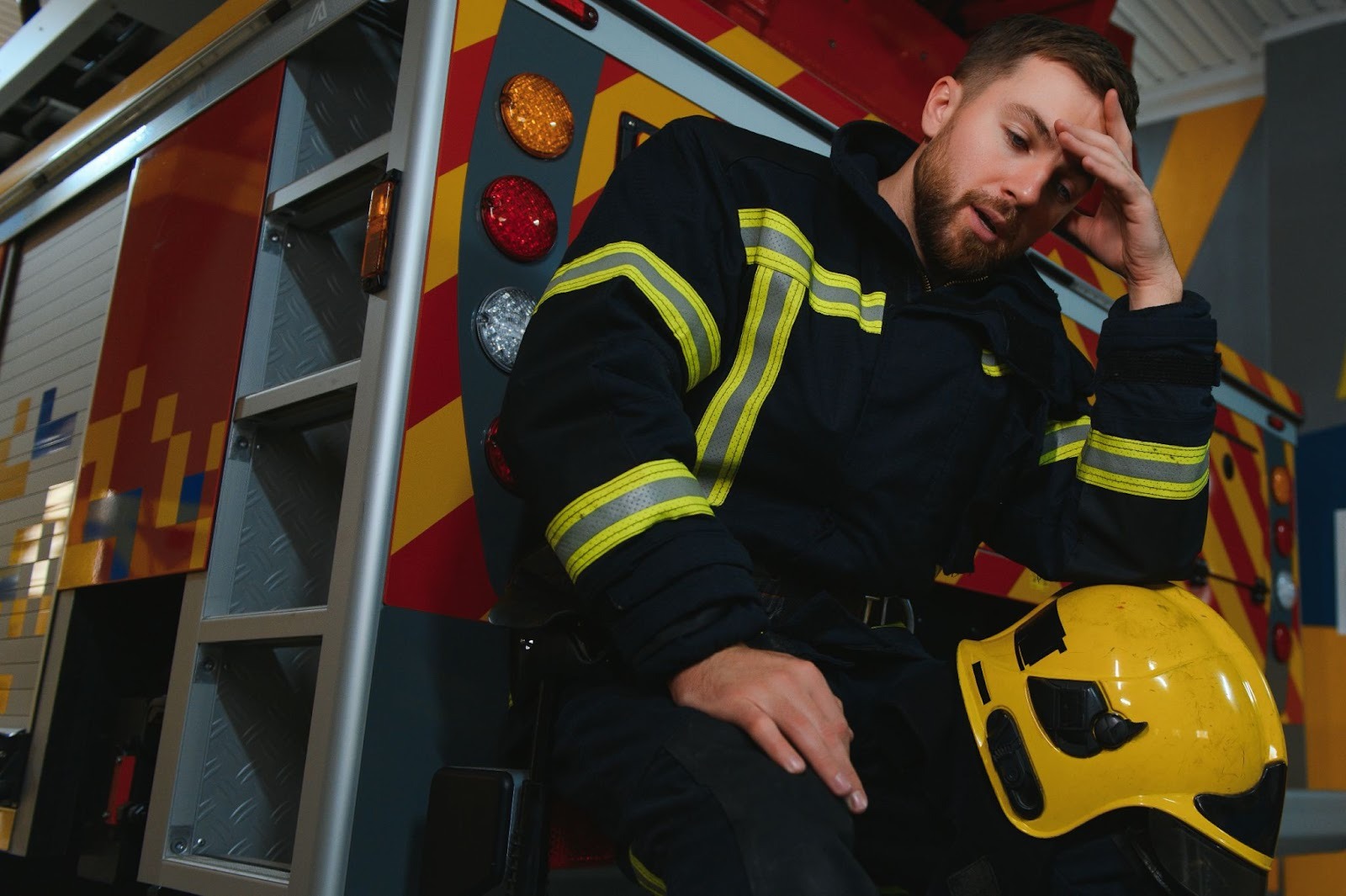
Nearly every agency and high-stress organization today offers an Employee Assistance Program. On the surface, it looks like responsible leadership: a 24/7 hotline, short-term counseling, referrals for personal or work issues. Availability does not equal effectiveness, especially when the workforce faces repeated trauma, life-or-death decisions, and unrelenting psychological load.
First responder mental health needs are fundamentally different from those of a typical office environment. Traditional EAP counseling was never built for the daily reality of police officers, firefighters, or EMS crews who witness horror on every shift. The result is a false sense of security that masks deeper organizational risk. Utilization rates for EAPs hover between 5 to 10 percent across industries.
What EAP Counselling Was Designed For vs. Today’s Reality
EAP counseling originated decades ago as a referral-based model for short-term support around personal problems, workplace conflicts, or family stress. The intent was practical: a few confidential sessions to help employees regain balance before issues escalated.
Today’s high-stress professions operate in an entirely different environment. Officers, firefighters, and paramedics absorb chronic stress and cumulative trauma that generalist counselors cannot adequately address in a handful of visits.
EAPs lack the depth, specialization, or continuity required for PTSD treatment, moral injury, or the slow erosion of resilience that comes from shift after shift of critical incidents. What was once a reasonable stopgap has become a structural mismatch.
Disadvantages of Employee Assistance Programs
Understanding the disadvantages of employee assistance programs is essential for leaders evaluating their effectiveness.
1. Low Utilization Due to Stigma
Mental health stigma remains deeply embedded, particularly in law enforcement. Officers are conditioned to appear resilient. Research highlights that fear of judgment and career repercussions significantly reduces help-seeking behavior.
2. Lack of Trust and Confidentiality Concerns
Officers worry that personal information will reach supervisors or affect promotions. Even when programs promise confidentiality, the perception of risk is enough to deter engagement.
3. Short-Term, Limited Counselling Models
Most EAP counseling programs offer only 3 to 6 sessions. This is insufficient for addressing chronic stress, trauma, or PTSD, which require long-term, structured care.
4. One-Size-Fits-All Approach
Generic counseling ignores the unique realities of police trauma exposure, firefighter risk environments, or EMS crisis intensity. What works in corporate HR rarely translates to the front lines.
5. Reactive, Crisis-Driven Design
EAPs are typically used only when employees reach a breaking point. There is no early detection, no ongoing monitoring, and no prevention built in.
6. Lack of Measurable ROI and Insights
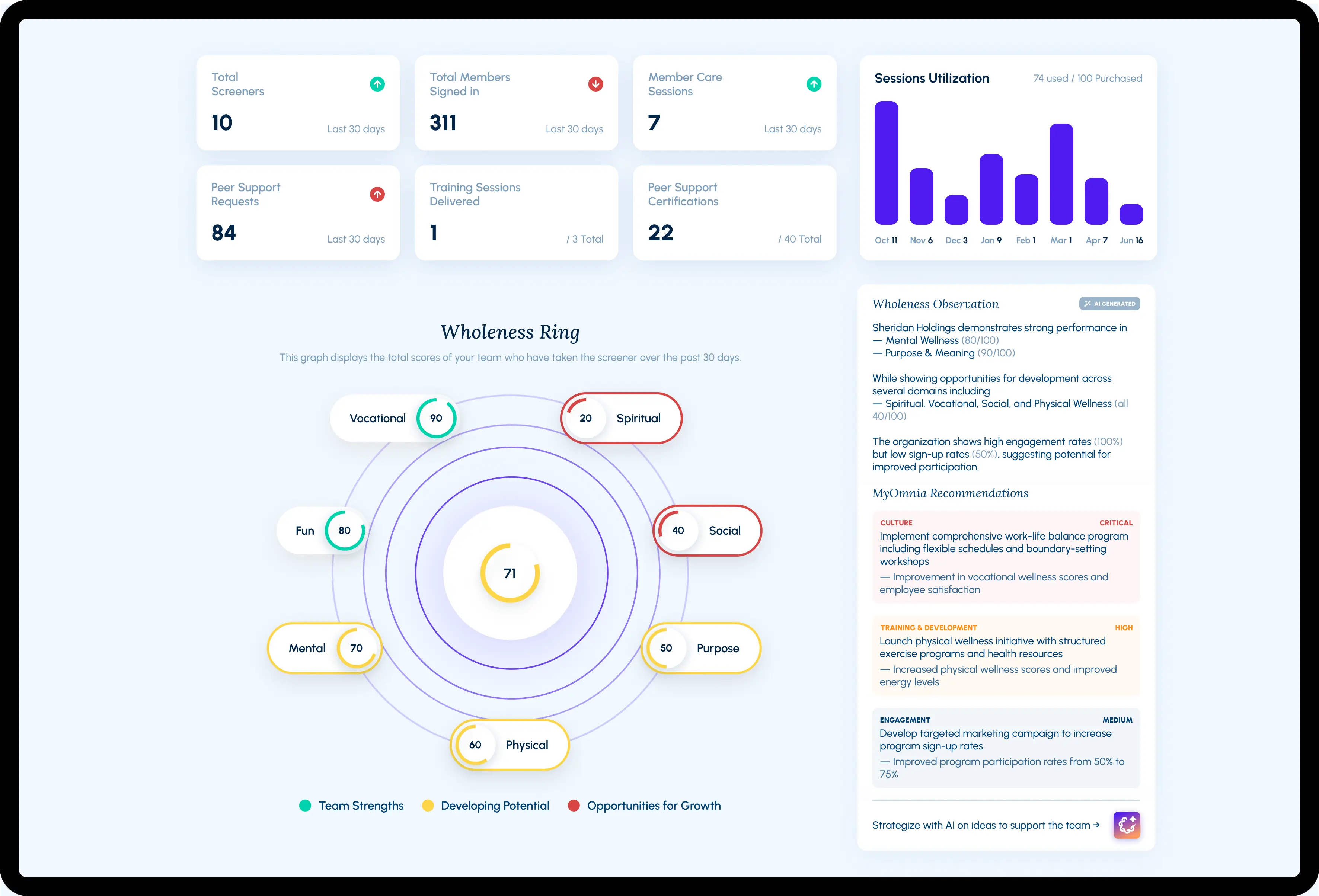
Leaders often lack visibility into engagement rates, outcomes, or emerging risk patterns. This makes it difficult to assess impact or justify investment.
7. Disconnected from Daily Operations
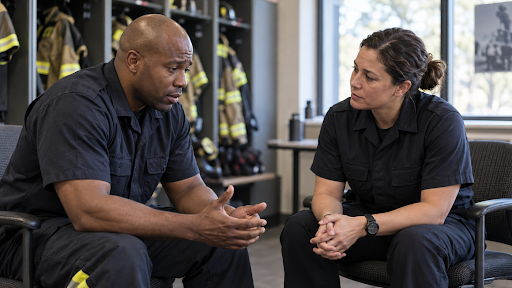
EAPs function as external services, separate from leadership and operational workflows. Supervisors miss early warning signs, and managers are not equipped or integrated into the solution.
Why EAPs Fail First Responder Mental Health Specifically
First responders experience ongoing trauma daily and continual strain from their job. The average EAP model of support offers fewer sessions and has a limited understanding of PTSD and moral injury, making it less effective for the trauma and strain encountered.
Officers require a unique care model that is specific to their individual needs and operational experiences; currently traditional care models do not provide this functionality.
Cultural barriers make the situation worse. The law enforcement ethos of stoicism, combined with legitimate career concerns, drives underutilization. Many who need help most never reach out until symptoms are severe.

The Link to Police Officer Burnout
When EAPs engage too late, chronic stress accumulates unchecked. Unresolved trauma festers. Minimal engagement leaves mental fatigue untreated. The outcome is emotional exhaustion, cynicism, reduced performance, and higher error rates.
Burnout develops gradually, yet reactive models wait for the crash. By the time officers call the hotline, the damage is already done, and recovery takes far longer
Why Reactive Mental Health Models Don’t Work
Crisis-only access ignores how burnout actually develops. Leaders operate without continuous monitoring or predictive insights. No integration with frontline supervisors means early warning signs go unnoticed.
Reactive systems treat symptoms after they become emergencies. They do nothing to build resilience day to day. This creates a system that responds to breakdowns instead of preventing them.
What High-Stress Professions Actually Need
Public safety demands more than a hotline. It requires embedded mental health systems that are continuous, proactive, and role-specific.
Modern platforms deliver real-time stress detection, tailored psychological support, peer integration, and leadership tools that normalize help-seeking. Early intervention systems dramatically improve outcomes and engagement because support arrives before the crisis.
Redefining Support: Prevention Over Intervention
The difference between traditional and modern approaches is not incremental. It is structural.
Shared Responsibility: Leadership vs Individual
Employees are responsible for engaging with support, building awareness, and maintaining recovery habits.
Organizations, however, are responsible for system design, early detection, culture, and leadership accountability.
When leaders invest in embedded prevention rather than compliance-based EAPs, they change the equation from reaction to resilience.
Conclusion: Moving Beyond Outdated EAP Models
Old-fashioned employee assistance programs (EAPs) don't meet the needs of first responders because they don't provide adequate ongoing structured support for mental health issues prior to a crisis. Continuing to rely on traditional EAP programs puts organizations at risk of underestimating that risk while overestimating their safety net.
Chiefs and leaders in police, fire, and emergency services have a choice to evolve from a regulatory compliance system into one that uses performance measures to create a prevention framework.
The technology exists right now: extensive proactive systems that are created specifically for the reality of workforces exposed to trauma will provide measurable engagement, improve retention, and build healthier teams that can better serve their communities.
The question is no longer whether EAPs are enough. The data shows they are not. The question is whether leadership will act before the next preventable loss.

.png)






.png)