
.png)



Imagine a workplace where employees show up on a daily basis, but long before five o'clock their minds have already shut down. They complete all their tasks, attend meetings, respond to emails and meeting deadlines, but their creativity, focus, and motivation have disappeared. This is the hidden problem of workplace burnout for many people, creating lost productivity and high costs.
Mental safety in the workplace is a business strategy that is associated with managing workplace burnout, protecting the business, and driving sustained performance. While there may be countless ways to implement physical safety measures within a company, the same number of opportunities to create mental safety measures are often overlooked, which results in high costs.
What is Mental Safety in the Workplace?
Mental safety in the workplace is a form of work environment where employees are free to share their thoughts, admit that they have been wrong, express concern, and take risks without worrying about public humiliation or shame, blame, or punishment.
Psychological safety is a term pioneered by Harvard professor Amy Edmondson, who defines it as "a belief that one will not be punished or humiliated for speaking up with ideas, questions, concerns, or mistakes."
Mental wellness is not only related to general wellness programs such as yoga classes or using wellness apps for visualization & meditation but also a prerequisite for good workplace culture:
- Psychological Safety: Employees are not afraid to be humiliated when they speak up, experiment, and even fail.
- Culture of Support: Managers listen and acknowledge their employees instead of treating them as just a resource.
- Stress Management: A structured system of support for employees instead of waiting until they reach a breaking point.
The Growing Problem of Workplace Burnout
Burnout has reached alarming levels. Almost three in four (72%) U.S. employees reported they suffered moderate to very high work stress, while burnout reached a seven-year peak.
Although hybrid and remote work offer greater flexibility, they can come with challenges such as blurred boundaries between home and professional life, being overwhelmed by technology, and feelings of isolation.
For instance, the use of flexible hours simply drives employees to check emails after-hours or work weekends, rendering flexibility a form of always-on culture. Some surveys suggest higher burnout rates in fully remote workers but often due to poor boundaries rather than the arrangement.
Burnout is a systems problem, not an individual flaw. While limits are aspects of our humanity, exhaustion is a natural consequence when workloads, expectations, and culture disregard them.
The Direct Business Impact of Burnout
Burnout doesn't just impact the individual employee; it also significantly affects the balance sheet. A recent study from the American Journal of Preventive Medicine found that employee disengagement and burnout cost the employer an average of:
- $3,999 per non-managerial hourly employee
- $4,257 per non-managerial salaried employee
- $10,824 per manager
- $20,683 per executive
For an average 1,000-person U.S. company, this adds up to approximately $5.04 million annually, with 89% stemming from presenteeism rather than absenteeism.
Other costs include loss of productivity resulting from disengaged teams, increased absenteeism and sick leave due to employees who feel too burnt out to continue working, and increased employee turnover.
Burned-out employees are much more likely to quit, with the cost of replacing burned-out employees varying between 50% to 200% of the employee's salary.

The Hidden Operational Risks
Sustained burnout also creates risks that do not show up cleanly in a cost report:
- Poor decision-making: Tired brains skip the details and default to shortcuts.
- Increased workplace errors: Causing quality problems, rework, or safety events.
- Poor team morale: Negativity spreads, and it not only leads to deterioration at the individual level but also greatly reduces collaboration in the team.
- Less innovation: Timid or burned-out teams stop proposing bold initiatives.
These risks are compounded in competitive markets where they are the difference between life and death through agility and creativity.
Why Companies Fail to Prevent Workplace Burnout
Most organizations are reactive with their approaches and will have an Employee Assistance Program (EAP) in place once a problem presents or will run occasional wellness events. All of them treat symptoms but not the cause.
The most common of these pitfalls include one-off activities, lack of manager training, and low engagement with top-down programs, while viewing mental health as individual rather than organizational problems. Especially if the environment is high pressure, burnout will be endemic without prevention systems.
How to Prevent Workplace Burnout Through Mental Safety
Mental safety in the workplace offers a proactive shield. Research shows higher psychological safety is associated with lower burnout, also in crisis or resource scarcity. Practical steps include:
- Build psychological safety: Facilitate conversations and make it routine to talk about the challenges.
- Promote open communication: Build fearless feedback channels.
- Implement early stress detection: Leverage transparent monitoring of the workload patterns.
- Train managers: Make them aware of overload warning signs in advance and help them plan realistic expectations.
- Workload management: Set reasonable goals and stick to boundaries
Workplace Burnout Prevention: A Strategic Approach
The most successful organizations transition from an imperfect reactive fix to a preventative model.
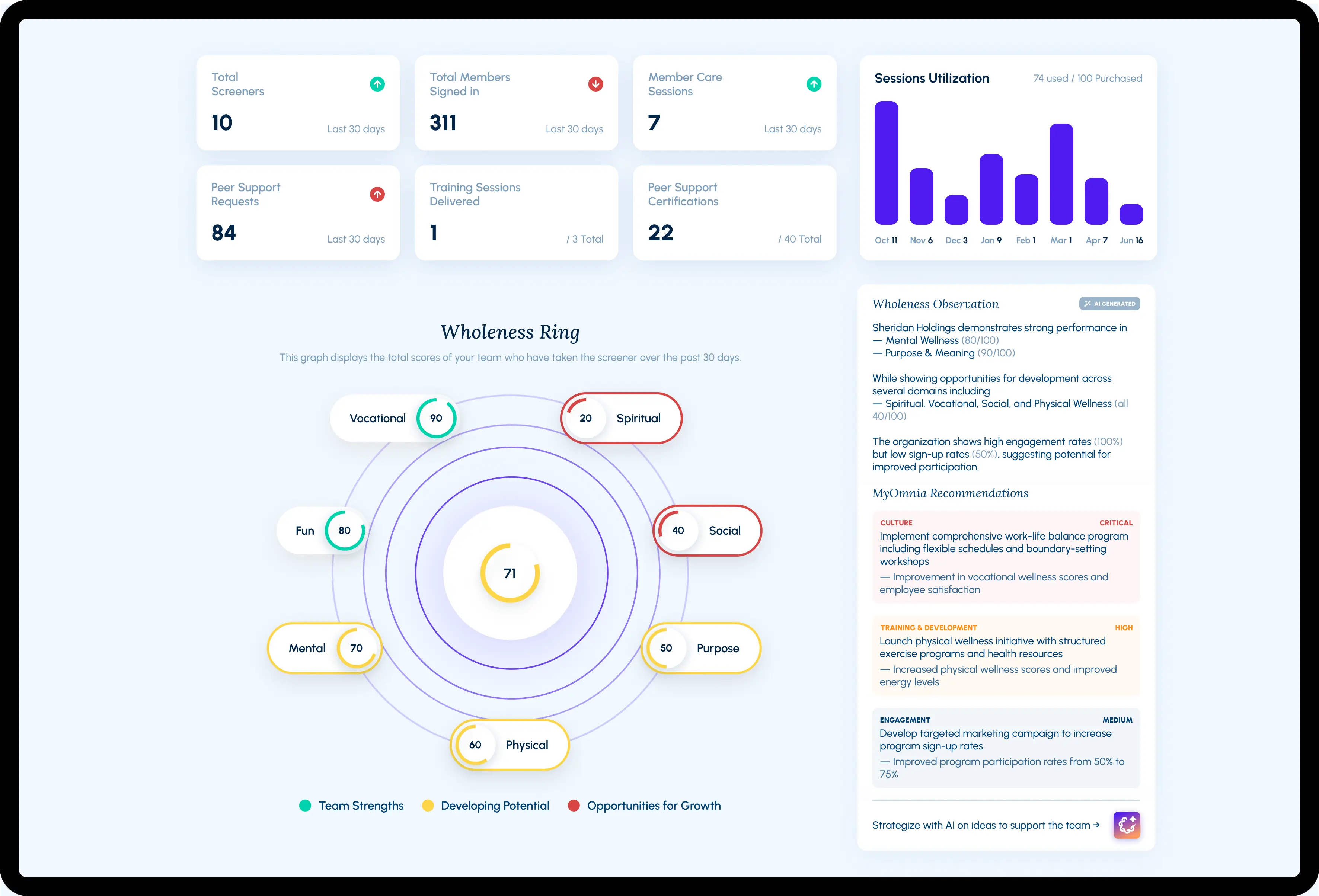
This means using anonymous surveys and trend-based well-being data to identify workplace stress patterns before burnout escalates, while clearly communicating what is measured, who can access the data, and how employee anonymity is protected. The goal should be aggregate trend monitoring, not individual employee tracking, allowing organizations to improve support systems, manage workload risks, and strengthen mental safety across teams.
Cost of Inaction vs Prevention
The Role of Leadership in Mental Safety
Policies don’t bring mental safety; it develops through the actions of leaders every day. Dismissing stress as weakness creates a culture where it’s acceptable to dismiss stress as weakness. Leaders need to create trust, transparency, and visible support. These are operational inputs that have a measurable effect on creating mental safety.
Responsibility: Organization vs Employee
Placing the full burden of burnout prevention on individuals is both unfair and ineffective:
- Employers: Build supportive environments, tools, fair workloads, and training.
- Employees: Participate actively, communicate needs, and engage with resources.
Framing it solely as an individual issue ignores how structures drive outcomes.
Conclusion: Prevention is More Cost-Effective Than Recovery
Organizations can prevent burnout & the associated costs by focusing on the creation of mental safety in the workplace. They can do this by investing in psychological safety, open communication, and proactive systems today. Employers will create an atmosphere of trust, accountability & safety while protecting productivity, retention, and innovation & saving themselves millions.
Organizations that prioritize mental safety now will save themselves from ongoing costs associated with poor quality, unhealthy environments, & disengagement from employees.

.png)







.png)