
.png)


Mental health concerns don’t always appear at once; they pop up after a period of increased tension due to prolonged stress, sleep deprivation, losing interest in doing things, or not feeling connected with people at work or home.
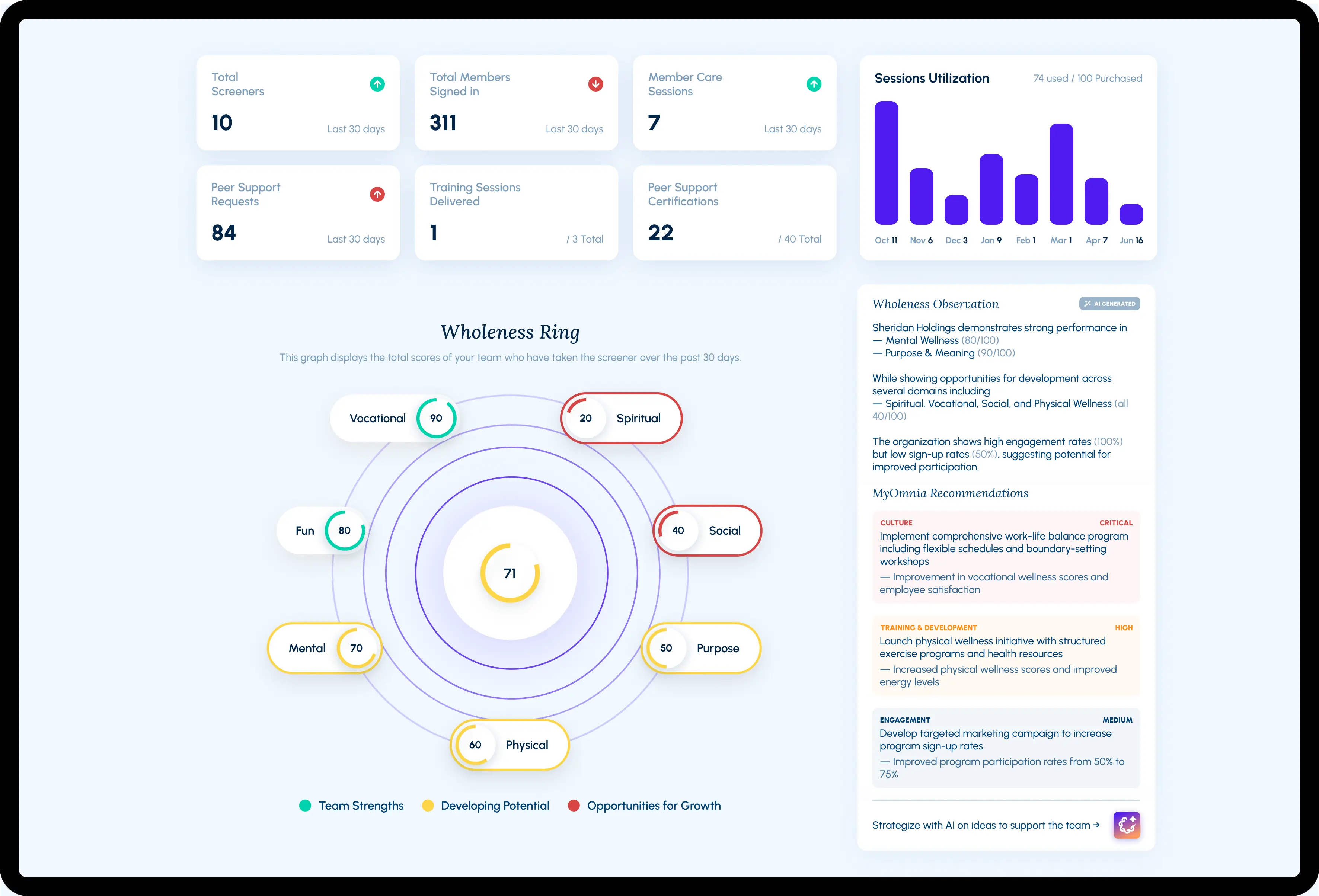
Preventive mental health screenings have been helpful in identifying lower levels of emotional and behavioral issues. HR professionals, employer wellness representatives, and employees can utilize mental health screenings by taking advantage of advancements in technology to improve their overall well-being.

What Are Mental Health Screenings?
Mental health screenings consist of short screening tools that evaluate someone’s ability to experience positive and negative emotions. These standardized screening tools typically consist of questionnaires that typically take only a couple of minutes for someone to answer.
Common examples include:
- Anxiety screening (persistent worry or tension)
- Depression screening (mood, energy, and sleep)
- Burnout check-ins (emotional exhaustion and disengagement)
- Stress assessments (whether stress levels have crossed into harmful territory)
How do mental health screenings work?
Validated questionnaires are distributed by providers or organizations and are then scored based on: (a) low; (b) moderate; or (c) high risk, based on how the individual responds. If the score indicates a positive screening, it will prompt the provider/organization to proceed to the next step.
Who should take a mental health screening?
Virtually any individual could benefit from doing a mental health screening as a preventive measure. In the workplace, mental health screenings are typically one component of a larger employee mental health assessment initiative.
This screening will promote the use of behavioral health screenings as preventive care, similar to taking blood pressure readings as a preventive measure for physical health.
What Is a Mental Health Evaluation?
A mental health evaluation goes into more detail than a screening and provides a comprehensive assessment of an individual's emotional condition, behavioral patterns, medical history and personal history, current stressors, and daily living activities.
Individuals who demonstrate elevated risk during the screening process or individuals who are experiencing the following common ongoing symptoms, like anxiety, workplace burnout, difficulty concentrating, isolating socially, and having difficulty managing your day-to-day routine. Evaluations will help clarify what supports are needed to create a personalized plan for support.
This assists in bridging the gap between the early identification of a potential need for support and the provision of targeted care, as well as placing an emphasis on support over crisis management.
What Happens During a Psychological Assessment?
A psychological assessment uses a variety of techniques in order to create a holistic view of someone's mental and emotional well-being.
These tools are routinely used to see how well an individual does in different areas of their emotional, behavioral, and cognitive functions. Professionals can use the findings from these assessments to determine the pattern of skills and challenges of the person and determine what the best next steps may be.
During an assessment, you might experience:
- Structured interviews covering your history and current challenges
- Standardized questionnaires measuring anxiety, depression, or stress
- Cognitive assessments and behavioral observations
- Personality-based assessments or coping-style inventories
Assessments inform decisions about support, therapy, or workplace adjustments. Most people find the process to be highly collaborative and informative.
What Is the Difference Between Screening and Diagnosis?
This distinction matters more than most people realize.
A positive screening result does not mean you have a mental health condition. It means a closer look may be worthwhile. Understanding this difference is key to reducing the stigma around seeking help.
How Preventive Screening Detects Mental Health Risks Early
Mental health crises rarely arrive without warning. They build slowly through patterns that go unnoticed until they are impossible to ignore.
Can stress be detected early through screening? Yes. Early markers that screenings are designed to catch include:
- Chronic stress or irritability
- Emotional exhaustion or feeling drained
- Anxiety symptoms, such as persistent worry
- Social withdrawal or reduced engagement
- Sleep disruption or changes in appetite
- Mood fluctuations or loss of motivation
- Burnout indicators, like cynicism toward work
Mental health conditions typically emerge over time. Preventive mental health screening catches these patterns, enabling early mental health intervention. Research shows that individuals respond quicker and with lower severity than they would without the use of screening.
Workplace mental well-being screenings positively impact an individual or the workplace as they help to respectively identify mental well-being issues to enable appropriate actions.

Can Workplace Mental Health Screenings Help?
The American Institute of Stress estimates workplace stress costs US employers over $300 billion annually in lost productivity and healthcare costs. Employee mental health assessments and structured workplace mental health programs are among the most evidence-backed responses.
Effective workplace programs typically include:
- Confidential employee wellness assessments
- Behavioral health screenings embedded in annual check-ins
- Burnout prevention initiatives and manager training
- A proactive wellness culture where seeking support is normalized
Common Psychological Assessment Tools
The assessments are not quizzes conducted via the Internet; rather, these are research-validated assessment instruments that are used worldwide in both clinical and workplace environments.
Benefits of Preventive Mental Health Screening
Preventative approaches have many benefits, including:
- Responding to signs/symptoms earlier than when they occur
- Reducing risk of burnout through proactive identification
- Enhancing emotional resilience and self-awareness for individuals
- Enhancing overall well-being in the workplace and lowering absenteeism
- Reducing stigma by normalising the act of checking in regularly
- Allowing individuals to access professional support quicker across all contexts when required
Are Mental Health Screenings Accurate and Safe?
When administered according to established guidelines, yes. All screening tools are validated against standards, indicating a level of reliability, although no tool is entirely accurate by itself. Confidentiality is critical, especially at work, and all ethical regulations related to confidentiality are enforced.
Professional follow-up will ensure proper assessment and interpretation of any results; while online screening tools are great for raising awareness of the issue, they mainly act as a bridge to accessing professional care, not substituting for professional care.
Early detection reduces long-term costs and enhances resilience
Provide tools that reveal patterns of stress and burnout, allowing leadership to act before issues escalate.
Button:
Start 10-day trial
Conclusion
Mental health has always mattered. What is changing is our ability to address it before it reaches a breaking point.
Preventive mental health screenings give individuals and organizations a structured, compassionate way to identify risks early. They are not about finding what is wrong with someone. They are about understanding what someone needs, early enough to actually do something about it.
As mental healthcare continues to evolve, screening is fast becoming an essential part of both personal wellness and workplace health strategy. The earlier we look, the more we can do.

.png)






.png)