
.png)


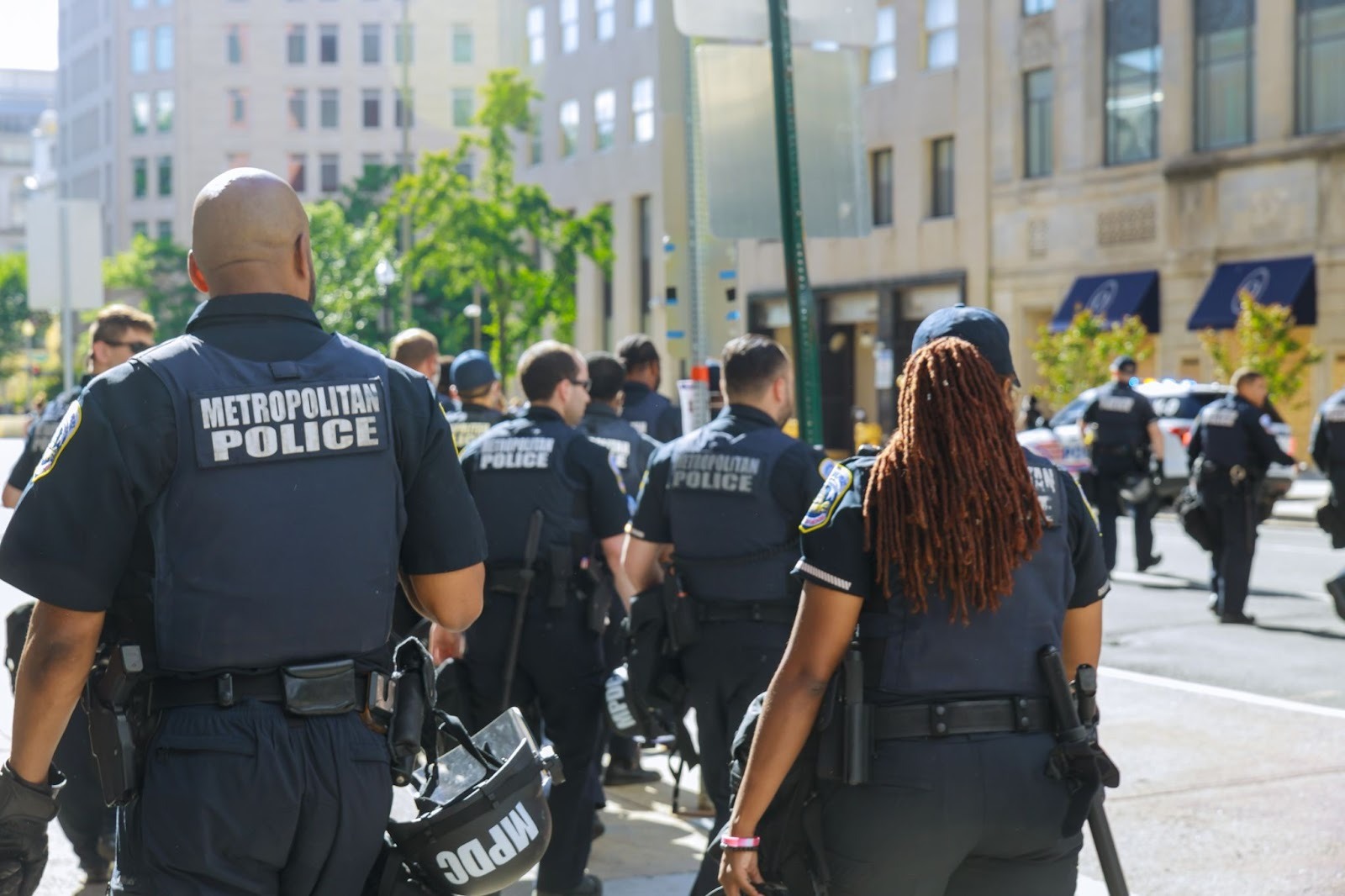
Long shift hours, varying schedules, rotating shifts, and pressure can compound cumulative exposure and manifest as chronic emotional fatigue, chronic burnout, trouble sleeping, and increased risk for anxiety or depression.
Departments are seeking recommendations to establish formalized, structured mental health services for law enforcement, including scalable and confidential access and trackable measurement of mental health services for police officers, reflecting the largest trend toward providing more preventative services.
Understanding the Mental Health Challenges in Law Enforcement
Burnout and emotional exhaustion have reached epidemic levels among law enforcement agencies nationally. Numerous officers have reported the fear of seeking mental health services for police officers might damage their reputation or lead to the loss of their weapon and badge.
Crisis situations often arise from the stigmas, and when proactive mental health assistance is unavailable, law enforcement agencies are more likely to experience high rates of absenteeism and early retirements, as well as unanticipated officer turnover.
Why Mental Health Programs for Police Officers Are Essential
Early intervention minimizes the chances of developing chronic psychological issues; agencies investing in mental health help to reduce the risk of conditions such as severe PTSD, substance use disorders, and suicide.
Proactive mental health programs for police officers are focused on the early identification of stress rather than responding to critical incidents after they occur. Agencies that have implemented structured mental health services for law enforcement have experienced the following observable changes:
- Improved retention and reduced turnover
- Increased morale and engagement
- Enhanced operational readiness
- Lower rates of burnout
Leadership-driven wellness culture is critical. When chiefs and command staff actively endorse mental health services for police officers, stigma decreases. Officers are more likely to participate when wellness is integrated into policy and training.
Mental Health Services for Law Enforcement: What Effective Programs Include
Successful programs share several core elements, such as confidential counseling with trauma-informed clinicians and peer support integration, because officers often prefer to turn to colleagues who have walked the same beat.
Resilience training equips officers with practical tools for managing stress, such as digital platforms to ensure access for shift-based schedules, allowing officers to engage on their own. Crisis and trauma response frameworks stand ready when the worst days happen.
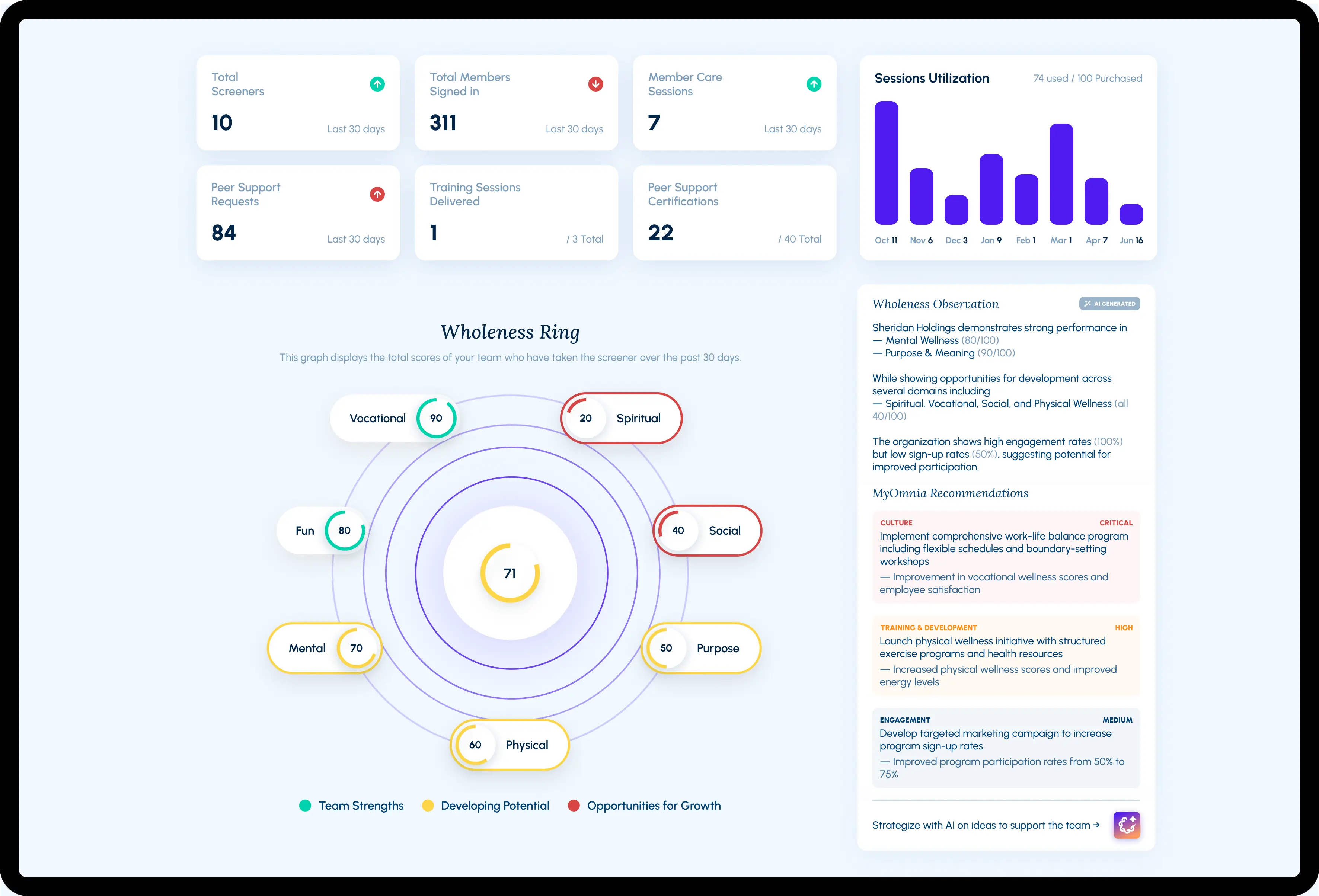
Forward-thinking agencies go further by incorporating structured assessment tools that deliver real data for wellness planning, such as the Wholeness Screener, a screening tool described as a scientifically validated instrument that evaluates seven critical life domains in just minutes.
Departments use these results to spot early warning signs, align peer support efforts with actual needs, and create data-informed strategies that produce measurable improvements in resilience and readiness.
When mental health services for police officers combine confidential access, peer integration, resilience skills, and tools like the Wholeness Screener, they create a comprehensive safety net that respects police culture while delivering genuine support.

Organizational Benefits for Police Departments
When agencies invest in mental health programs for police officers, they see measurable results:
- Reduced burnout rates in specialized units
- Enhanced engagement and morale
- Proactive identification and assessment of risk
- Improvement in peer support systems
- Increased officer resilience
- Data-backed reports to municipalities for accountability
Implementation Strategy for Agencies
Agencies working to effectively implement mental health programs for police officers require an intentional strategy.
Leadership Buy-In
Visible endorsement by the chief and command staff indicates commitment and helps to remove the stigma associated with seeking mental health services for law enforcement.
Structured Rollout
The phased implementation will ensure how mental health services for police officers is accessed and be aware of the protections in place
Confidential Support Systems
Documented confidentiality policies build trust and participation.
Measurable KPIs
Agencies should monitor engagement rates, indicators of stress, and trends of burnout. Agencies will strengthen the accountability of mental health services for law enforcement when integrating structured tools such as Wholeness Screeners.
Ongoing Evaluation
Regular review ensures that mental health services for police officers evolve with department needs and remain effective over time.
Organizations consistently recognize that an officer's well-being is a leadership responsibility. Therefore, agencies must incorporate the mental health programs for police officers into their long-term strategic plans rather than short-term initiatives.
Conclusion
Modern law enforcement agencies need well-structured, proactive, and evidence-based mental health programs for police officers. They help officers cope with trauma and fatigue from their work environment and help reduce organizational and administrative stress.
Providing comprehensive mental health services for law enforcement improves retention, provides an increase in job performance, and strengthens the public’s trust. It provides safer working environments for officers and for the communities and community-oriented approaches like counseling, peer support, resilience training, & wellness assessment.
FAQs
Q1: Why are mental health programs for police officers important for departments?
Ans: Mental health programs for police officers reduce the incidence of burnout, increase morale, and improve job performance. Proactive support reduces the long-term risk exposures for departments.
Q2: What do mental health services for law enforcement typically include?
Ans: Mental health services for law enforcement typically include confidential counseling, peer support integration, resilience training, crisis response frameworks, and digital access options.
Q3: How can mental health services for police officers reduce burnout and turnover?
Ans: Providing mental health services for police officers (e.g., early intervention, structured assessments, and ongoing support) can help prevent excessive levels of stress, thus increasing their level of job satisfaction.

.png)







.png)