
.png)


Veterans struggle to transition into civilian life while carrying invisible burdens related to trauma exposure, chronic stress, and service-related injuries that affect both mind and body.
The U.S. Department of Veterans Affairs reports that around 31% of veterans who used VA healthcare had a documented mental health diagnosis, in addition to the fact that many veterans had chronic physical conditions associated with service-related disabilities (VA, 2023).
The challenges faced by military veterans frequently overlap, reinforce one another, and sometimes go unnoticed. Comprehending the connection between mental and physical health is essential to go beyond symbolic gestures and toward real, sustained support.
When it comes to honoring veterans, meaningful action requires comprehensive mental and physical health support for veterans to be acknowledged. Investing in systems that address mental and physical health together is essential to truly honoring veterans.
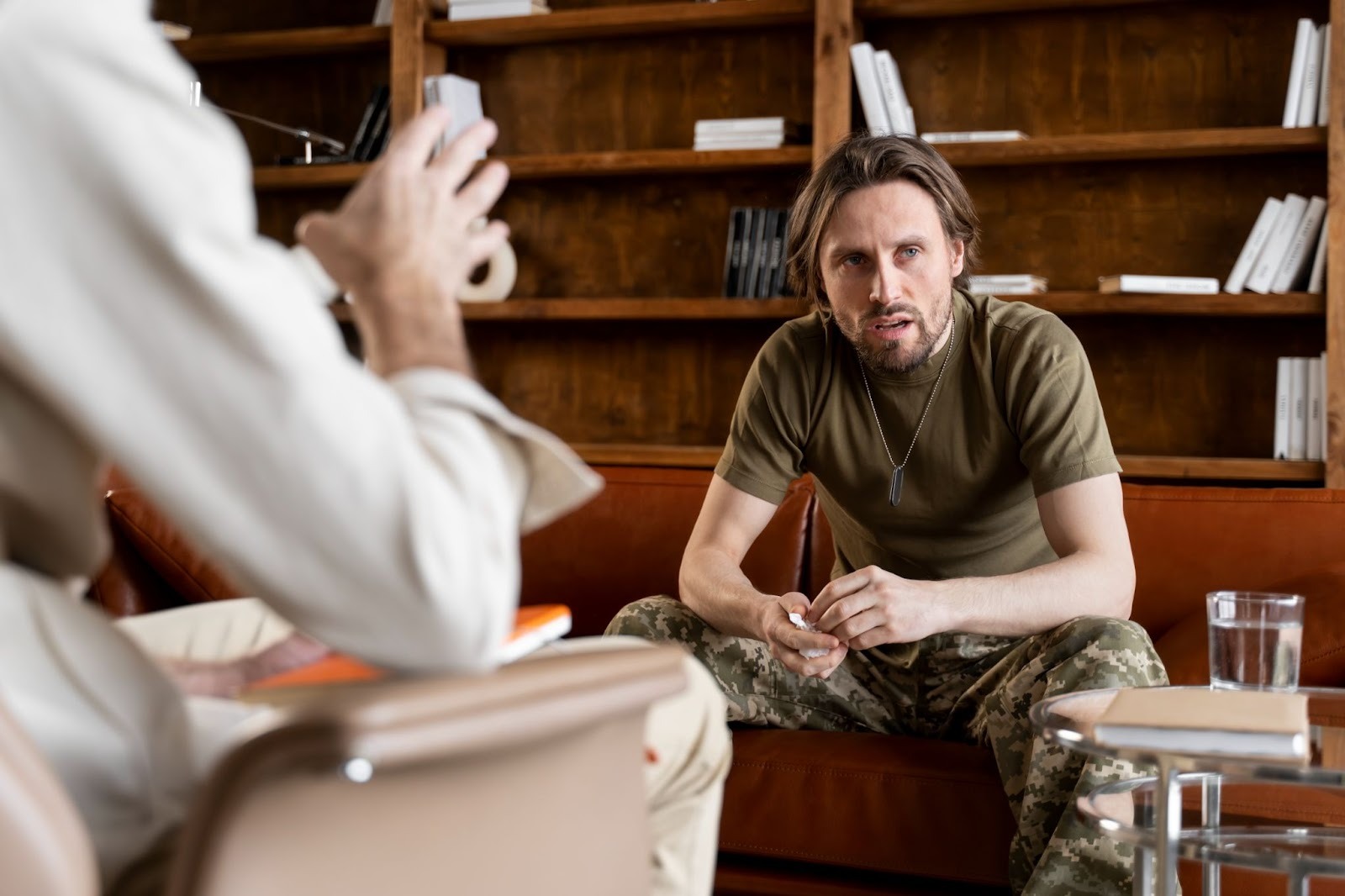
Common Challenges Faced by Military Veterans
The challenges faced by military veterans can be multilayered and deeply personal. While not much of this is directly related to their level of training, their resilience does present a barrier to seeking help later, and the culture of self-reliance in the military reinforces this barrier.
Many veterans struggle with mental health conditions such as:
- PTSD and Trauma: Triggers leading to flashbacks and inability to sleep, isolation, and often an extreme level of alertness or emotional numbness.
- Depression and Anxiety: Frequently associated with a loss of purpose or companionship after service.
- Chronic Pain and Injuries: These impair independence and movement that range from sprains to amputations.
- Substance Use: Approximately 10% of veterans receiving VA treatment struggle with alcohol or drugs, often as maladaptive, unhealthy coping mechanisms for untreated pain or mental anguish. (Mission Roll Call, n.d.).
Demands of duty, including extended periods of physical strain, frequent deployments, and working in extremely high-risk operational environments, have contributed to physical health issues among veterans. More than half of veterans have reported experiencing chronic pain shortly after returning home from service, with sixty percent having some form of musculoskeletal problem existing (such as back or knee problems). (UnityPoint Health, n.d.).
These combined post-service health challenges for veterans indicate the need for ongoing, comprehensive services for mental and physical health.
Why Mental and Physical Health Are Connected for Veterans
Veterans struggle with mental and physical health, which are frequently impacted by chronic pain, which might make depression worse, and anxiety can enhance sleep disorders and increase the risk of heart disease.
Studies demonstrate the effects of trauma on the body, like high blood pressure, inflammation of various tissues, and problems with the immune system (Tanielian & colleagues, 2015).
Therefore, it is critical that there be integrated mental and physical health support for veterans. The most effective integrated health solutions for veterans will integrate therapy, physical rehabilitation, preventive screenings, and lifestyle modification into a comprehensive program.
By providing mental and physical health services will help to ensure a better quality of life for veterans. Integrated health solutions for veterans recognize that many veterans struggle when they are exposed to many different traumatic incidents that require multiple coordinated systems of care to properly treat.
Veterans in the Workplace – Hidden Health Struggles
Many veterans return to civilian life ready to contribute. Yet veterans struggle silently in workplace environments that may not fully understand service-related experiences.
Accessible mental health support for military veterans is critical. Without it, veterans struggle with mental health symptoms that may affect focus, relationships, or productivity. Employers play an important role in delivering workplace mental health support for veterans through:
- Flexible scheduling for treatment
- Confidential counseling programs
- Veteran peer-support networks
- Leadership training on psychological safety
Expanding workplace mental health support for veterans is one of the clearest examples of how employers can support veteran well-being while strengthening organizational culture.
Honoring Veterans Through Meaningful Health Support
Honoring veterans is not limited to ceremonies or national holidays. Truly honoring veterans means ensuring access to sustainable mental and physical health support for veterans.
Honoring veterans involves:
- Removing barriers to care
- Normalizing conversations around mental and physical health
- Investing in holistic well-being programs for veterans
- Offering long-term solutions
When we focus on honoring veterans through action, we prioritize systems that reduce fragmentation in mental and physical health services. Communities, policymakers, and employers all share responsibility in creating environments where veterans struggle less and experience consistent mental and physical health support for veterans.
How Integrated Health Solutions Support Veteran Wellbeing
Scalable, integrated health solutions are the future of veteran care, providing seamless access to mental and physical health support for veterans to address each aspect of an overall well-being.
Effective integrated health solutions for veterans include:
- Coordinated clinical teams
- Preventive screenings and early intervention
- Employer-supported wellbeing programs
- Digital health solutions for military veterans
Digital health solutions for military veterans will support improved continuity of care, especially for those who are in rural or underserved areas, while enabling them to have well-defined pathways toward recovery due to reduced fragmentation of services when integrated systems are prioritized.
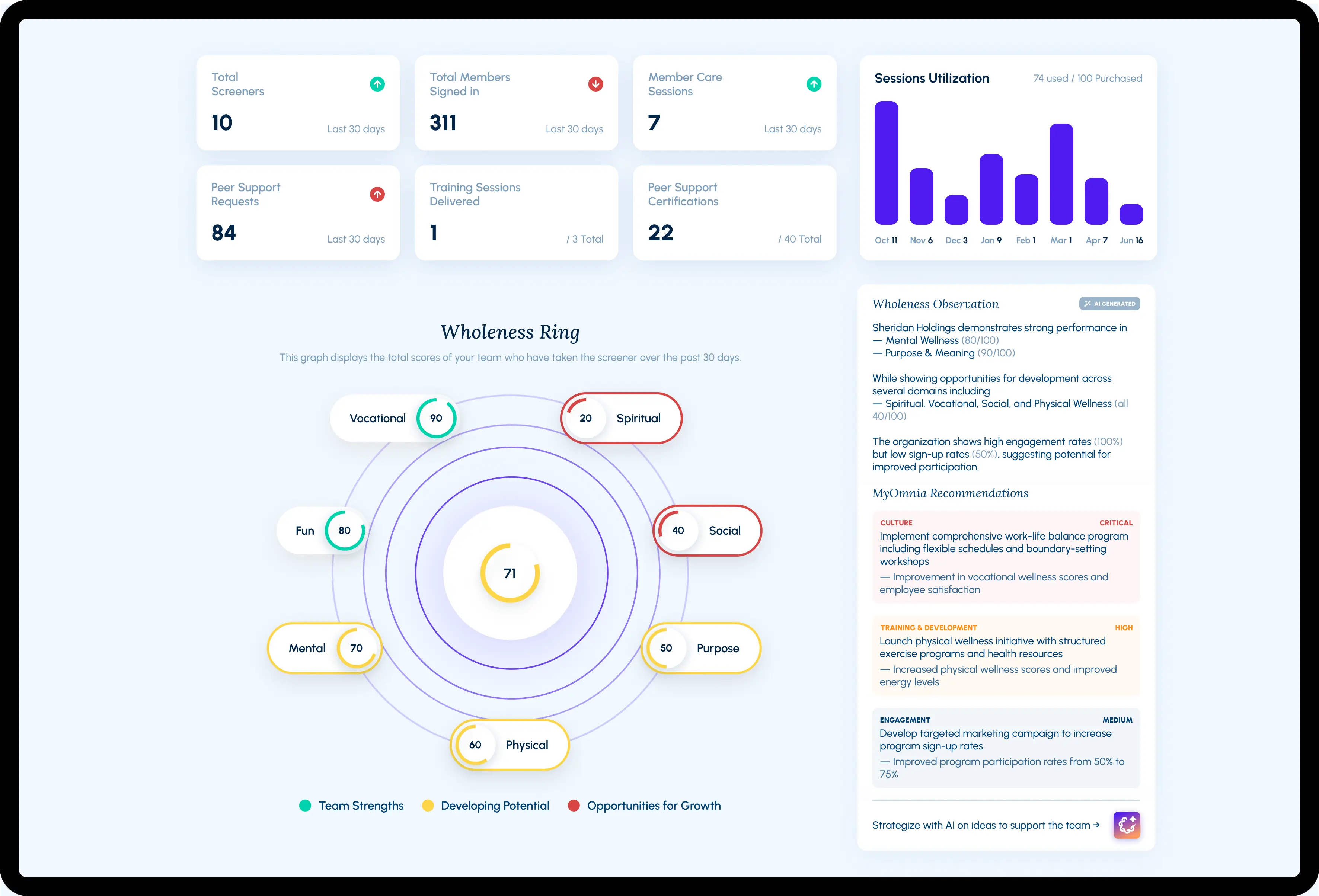
At MyOmnia, our Military Veterans Solution is based upon the principles of integrated, evidence-based care delivered on a practical and accessible basis in order to address the healthcare needs of veterans.
Veterans can also take a confidential online mental health test to better understand their current stress levels.
Conclusion
Veterans struggle not because they lack resilience, but because mental and physical health challenges often intersect within fragmented systems. Honoring veterans means investing in sustainable mental and physical health support for veterans that recognizes the whole person behind the uniform.
By expanding integrated health solutions for veterans, strengthening workplace mental health support for veterans, and improving access to digital health solutions for military veterans, we move beyond symbolic appreciation. Mental and physical health support for veterans is how we ensure veterans struggle less and thrive more today and for generations to come.
FAQs
Q1: Why do veterans struggle with mental health after service?
Ans: Many veterans struggle with mental health challenges due to trauma exposure, sudden loss of structure, and difficulty transitioning to civilian roles. Access to early mental health support for military veterans significantly improves recovery outcomes.
Q2: What are the most common physical health issues among veterans?
Ans: Chronic pain, along with injuries to the joints, heart disease, and Traumatic Brain Injury (TBI) are among the most common physical health issues among veterans because of strain on their bodies.
Q3: How can workplaces better support veterans?
Ans: Workplace mental health support for veterans works best when employers offer confidential resources, flexible policies, and leadership training focused on psychological safety.
Q4: Do digital tools really help veteran well-being?
Ans: Yes. Digital health solutions for military veterans have been shown to increase engagement and continuity of care, particularly when combined with human-centered support models.

.png)





.png)