
.png)



Despite the fact that you can only enhance what you measure, many organizations still view workforce stress as an HR checklist rather than an operational vulnerability. In an era where businesses prepare for cyberattacks, supply chain disruptions, and regulatory failures, mental health remains conspicuously absent from enterprise risk scorecards despite clear evidence that ignoring it jeopardizes performance, compliance, and resilience.
Mental health risks can have significant costs and consequences for organizations due to loss of productivity, burnout and talent leaving an organization, and lapses in safety throughout organizations. It is time for organizations to rethink mental health from an aspirational wellness to a core operational risk category, and behavioral health risk management will be incorporated into enterprise governance models.
Mental Health as an Operational Risk Category
For years, leadership has focused purely on measurable exposures, such as losses due to financial fraud, a data breach, supply chain disruptions, or violations of regulatory compliance requirements. However, the mental strain on the workforce affects the decision-making process that drives an organization to achieve its operational success.
Prolonged cognitive fatigue affects an individual’s ability to think, resulting in an increased number of errors. Continued psychological stress negatively affects team stability and exacerbates the unpredictability of services being delivered. If these issues go unresolved, they negatively impact the experience customers have with a company.
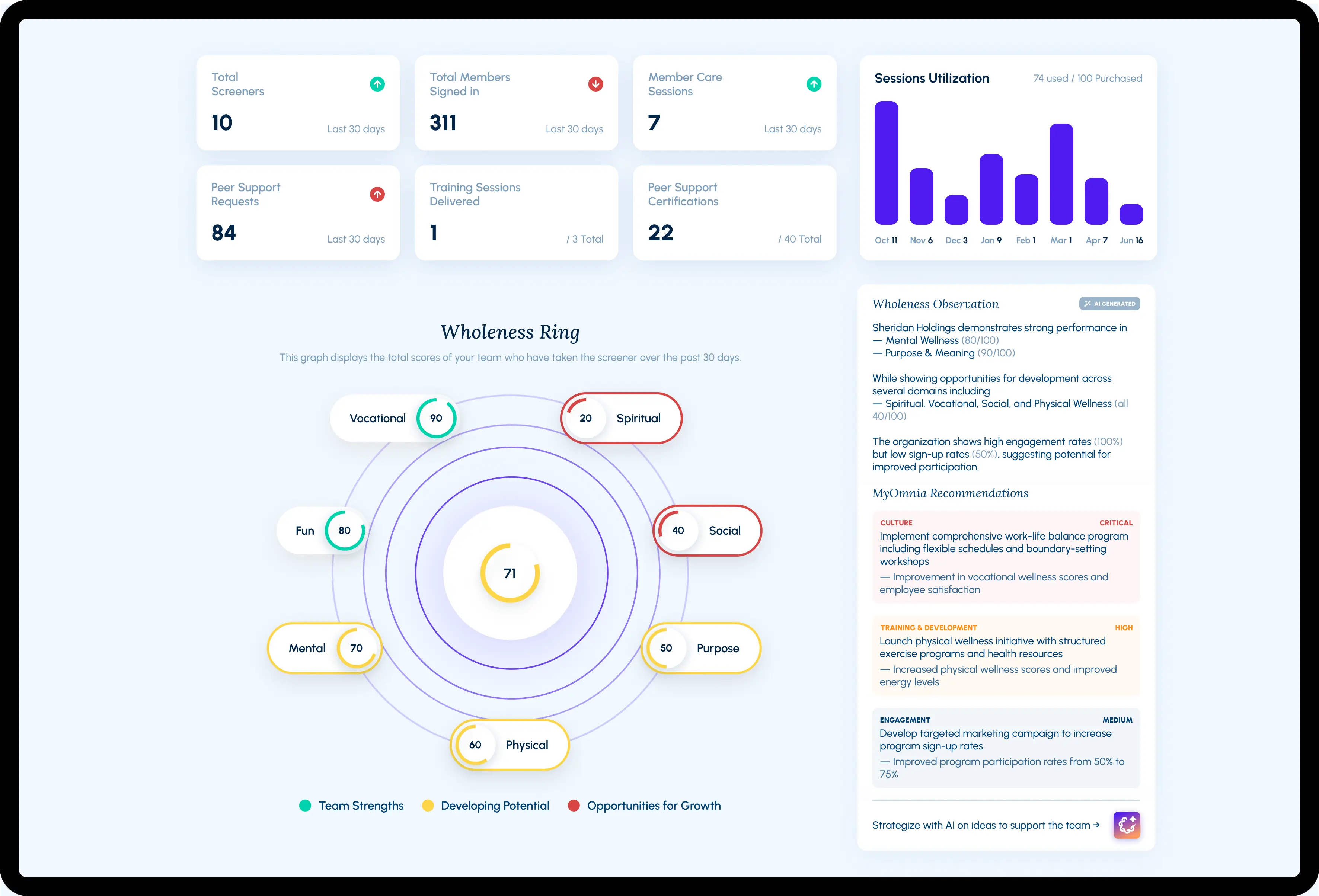
Behavioral health risk management reframes mental strain as a measurable operational exposure and encompasses the identification, measurement, and mitigation of workforce psychological risk factors. It should be included in the risk management (ERM) dashboard of organizations alongside traditional exposures, including finance, compliance, and infrastructure.
The High Cost of Waiting for a Crisis
Workers with fair or poor mental health take nearly 12 unplanned absence days per year compared with 2.5 days for everyone else, at an average cost of $340 per missed full-time workday.
Productivity variability grows as burnout reduces efficiency and focus. Compliance and safety risks also escalate when stressed employees struggle to maintain quality and protocol adherence.
When organizations intervene only after crisis cues like extended leaves or crisis response deployments, they absorb costs that far exceed those of preventive systems.
Understanding Workplace Stress as a Predictable Variable
Burnout does not appear overnight. It is structurally embedded in operational design through chronic workload pressure, emotional labor (especially in healthcare and service roles), shift-based fatigue, decision overload, role ambiguity, resource constraints, and relentless organizational change.
Stress is a measurable exposure, as predictable as equipment maintenance schedules or cash-flow forecasts. The organizations that treat it as such gain a decisive advantage.
From Reaction to Prevention: Stress Management as Risk Mitigation
Effective stress management strategies operate at two levels, and both must be executed with operational discipline.
Individual-Level Strategies to Manage Stress
- Time and priority management training
- Mindfulness and resilience workshops
- Confidential support channels
- Tools for personal coping skill development
Organizational-Level Stress Management Strategies
- Workload design optimization
- Predictable scheduling and recovery protocols
- Manager training on early strain indicators
- Clear escalation pathways for intervention
- Psychological safety initiatives
Employee resilience can help, but it should not be the foundation of risk mitigation. Real prevention requires structural change and operational redesign.

Behavioral Health Risk Management Framework
Leaders who treat behavioral health risk management as a governance discipline follow a structured four-step cycle that mirrors every other ERM process.
This framework should not exist in isolation from HR. It must integrate with enterprise-level risk governance to reflect the true cost of inaction and the value of early intervention.
Leadership Accountability in Preventing Crisis
Workload expectations, communication clarity, and the resiliency of an organization are all developed through the influence of leaders. If the leader does not take responsibility for stress-related risks, then silence and stigma will create an environment where early warning signs of potential future breakdowns are not dealt that a breakdown of operations occurs.
Executive responsibility includes:
- Transparency in communication to alleviate the stress of uncertainty
- Responsibility for managing workloads to provide clarity
- Reinforced culture of seeking help and using support services
Behavioral health risk management must be included in the executive scorecards, governance reviews, and strategic planning processes.
Conclusion
Mental health is an operational risk category. The cost of waiting for a crisis is measurable, predictable, and avoidable. Structured behavioral health risk management strengthens workforce stability, protects compliance integrity, and builds long-term resilience.
The organizations that integrate stress risk into their broader operational governance frameworks today will lead tomorrow. Those that wait will continue to pay the price in lost capacity, higher costs, and preventable workforce collapse.
The leakage is already evident. The question is whether leadership will fix it before the ceiling comes down.
Are you ready to lead your team through sustainable stress management?
Button:
Start a conversation

.png)







.png)